
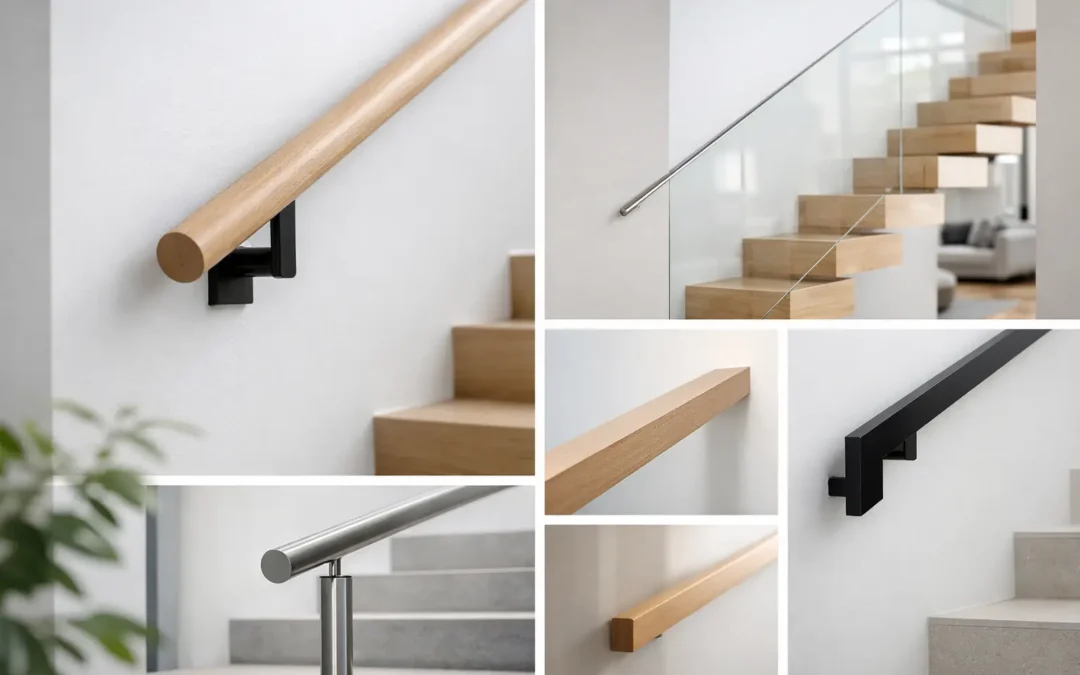
A handrail can quietly shape the entire feel of a staircase. The right profile makes the space look cleaner, brighter, and more intentional. That is why minimalist interior handrail design ideas have become such a strong focus for homeowners and property investors who want modern style without visual clutter.
Minimalism in stair design is not about making everything disappear. It is about making every detail work harder. A handrail should feel refined, support safe movement, and fit the architecture rather than compete with it. When those pieces come together, the result looks effortless, but getting there takes careful design, accurate measurements, and materials that hold up over time.
What minimalist interior handrail design ideas get right
The best minimalist interiors are disciplined. Lines stay clean, transitions feel deliberate, and materials are chosen for both appearance and performance. A handrail may seem like a small component, but it sits at eye level, follows the movement of the staircase, and often connects multiple floors visually. If it is too bulky, over-ornamented, or poorly proportioned, the whole stair can feel heavier than it should.
A strong minimalist handrail usually does three things well. It keeps the profile simple, uses a restrained material palette, and integrates cleanly with the rest of the stair system. That could mean slim steel, low-iron glass, brushed stainless steel, or a carefully finished wood cap paired with metal supports. The exact combination depends on the home, the light, and how bold or quiet you want the railing to feel.
There is also a practical side to this style. Minimalist systems tend to be easier to keep visually tidy because there are fewer decorative joints and less visual interruption. At the same time, minimal does not mean easier to fabricate. In fact, cleaner designs often demand tighter tolerances because every line is exposed.
1. Slim black metal handrails
This is one of the most requested looks for modern homes, and for good reason. A slim black metal handrail creates definition without adding bulk. It works especially well against white walls, pale wood flooring, and open-rise stairs where the goal is contrast with restraint.
The appeal is in the proportion. A heavy square tube can look industrial very quickly, while a refined profile keeps the design sharp and architectural. Matte black finishes are often preferred because they reduce glare and help the rail feel grounded. This option fits a wide range of interiors, from new builds to updated older homes.
2. Frameless glass with a minimal top rail
For homeowners who want the staircase to feel almost weightless, frameless glass is hard to beat. It keeps sightlines open, lets natural light move freely, and supports a very clean interior language. In many cases, a minimal top rail or a discreet cap gives the system the finished look people want without losing the openness.
The trade-off is that glass is not a no-maintenance choice. It looks exceptional, but fingerprints and smudges show more readily than on metal. Still, for bright interiors and feature staircases, the visual payoff is significant. When the panels are measured and installed precisely, the result feels premium immediately.
3. Wall-mounted handrails with hidden brackets
Sometimes the most minimalist move is to simplify the stair edge and let the handrail sit directly on the wall. A wall-mounted handrail with concealed or low-visibility brackets is ideal for narrow staircases, basement stairs, or interiors where a full railing system is not necessary on both sides.
This approach works best when the wall finish is clean and the rail profile is carefully selected. Round profiles feel softer in hand, while rectangular profiles can look more contemporary. It depends on whether you want the handrail to blend in quietly or add a subtle graphic line along the wall.
4. Wood-and-metal combinations
A minimalist interior does not have to feel cold. One of the most effective ways to soften a clean-lined staircase is to pair a slim metal structure with a natural wood handrail. White oak, walnut, and other understated wood species add warmth without taking the design away from modern.
This combination is especially useful in family homes where people want a sleek look but still want the space to feel welcoming. The key is restraint. A simple wood profile on a finely fabricated metal base usually works better than anything too thick or heavily detailed.
5. Vertical balusters with tight spacing
Horizontal lines often get the spotlight in modern design, but vertical balusters can be just as minimalist when they are handled properly. Thin, evenly spaced pickets create rhythm and order. They can also feel more timeless, which matters if you want the staircase to look current for years rather than tied to a short-lived trend.
This option is a good fit when glass is not the first choice or when you want more texture than a plain panel system provides. The spacing, bar size, and finish all matter. Small adjustments in proportion can shift the look from elegant to busy very quickly.
6. Stainless steel for a lighter visual weight
Stainless steel has a cleaner, lighter presence than many people expect. In the right interior, it can look crisp rather than commercial, especially when paired with glass or white finishes. Brushed stainless tends to be the better choice for interiors because it keeps reflections under control and feels more refined than a high-polish surface.
This material also makes sense where durability is a priority. It stands up well to regular use, and its finish holds its own in high-traffic spaces. For homeowners who want minimalist interior handrail design ideas with a more understated metallic look than black steel, stainless is worth serious consideration.
7. Monochrome railings that match the architecture
Some of the most successful minimalist stairs do not contrast at all. Instead, the handrail and railing system are finished to match the surrounding architecture, whether that means black on black, white on white, or a custom tone that blends into the space. This creates a quieter effect and can make the stair feel more integrated into the home.
The challenge is precision. When the color palette is restrained, alignment and finish quality become more noticeable. Any inconsistency tends to stand out more because the design is relying on subtlety rather than ornament.
8. Floating stair railings with recessed details
If you are aiming for a high-end custom look, recessed connections and floating details can make a major difference. These systems reduce visible hardware and give the impression that the handrail is part of the architecture rather than simply attached to it.
This is where fabrication quality matters most. Minimalist designs leave little room to hide uneven lines or awkward transitions. For custom homes and premium renovations, those small details are often what separate a standard railing from one that feels fully resolved.
9. Minimalist cable alternatives – used carefully
Cable railings are often associated with exteriors, but they can work indoors in certain modern spaces. They keep views open and have a lean visual profile. That said, they are not always the purest minimalist choice for interiors because the repeated horizontal lines can create more visual activity than glass or slim vertical balusters.
In the right project, they still have a place. Loft-style interiors or modern industrial homes may benefit from that tension. The deciding factor is whether you want the railing to disappear or add a subtle linear pattern.
10. Custom handrails built around the staircase, not added after
The strongest minimalist result usually comes from designing the handrail as part of the staircase from the start. Too often, railings are treated as a final add-on, and that is when proportions feel off or installation starts to look patched together. A custom approach allows the handrail, posts, glass, tread lines, and wall conditions to work as one composition.
That process also reduces surprises. Site measurement, project-specific drawings, approvals, and engineering review are not just formal steps. They are what help a clean design become a buildable, code-aligned installation. For clients who want confidence as much as style, that structure matters.
How to choose the right minimalist handrail for your home
Start with the architecture you already have. If the home is bright and open, glass may be the natural extension. If the interior needs warmth, a wood-and-metal combination may land better. If the staircase is compact, a wall-mounted rail or slim vertical system may make more sense than anything with thicker framing.
You should also think about daily use. Homes with children, frequent guests, or aging family members may prioritize grip comfort, cleaning ease, and a slightly more substantial feel. A very minimal profile can look excellent, but it still has to feel safe and practical in the hand.
Budget is another real factor. Frameless glass and highly concealed detailing usually require more fabrication precision and installation coordination than straightforward metal systems. That does not mean simple is lesser. A well-designed black metal handrail can look every bit as intentional as a more elaborate custom system when the proportions and finish are right.
At Iron & Glass Designs, we see the best outcomes happen when clients bring the design intent early and let the technical side support it from day one. That is how ideas move from inspiration to a finished railing that looks clean, feels solid, and belongs in the space.
A cleaner staircase starts with better decisions
Minimalism works best when every choice earns its place. The right handrail does not need excess detail to make an impression. It needs clear lines, the right material, and a professional build process that respects both design and safety. If your staircase is due for an upgrade, start by choosing the detail you will touch every day and make it count.