
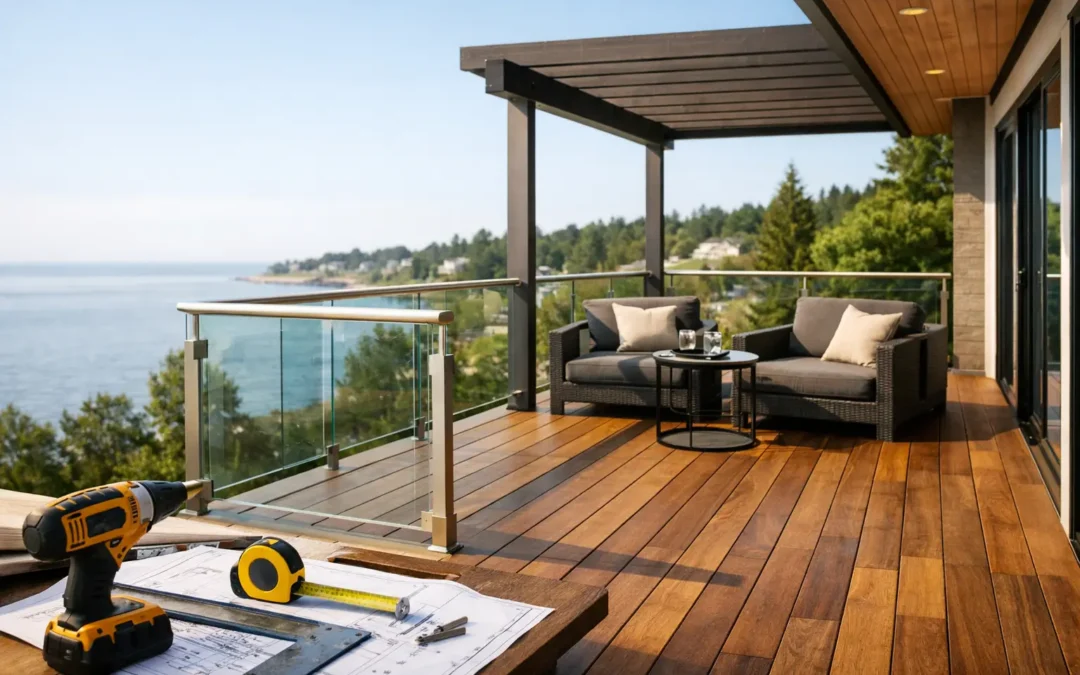
A balcony can add square footage on paper, but that is rarely why people build one. The real value is in the way it changes a property – better light, stronger curb appeal, usable outdoor space, and a cleaner architectural finish. This guide to custom balcony construction is for homeowners, investors, and builders who want that upgrade done properly, with design intent, structural confidence, and a process that feels organized from day one.
What a custom balcony project really involves
A custom balcony is not just a platform bolted onto a building. It is a structural addition, a safety system, a waterproofing detail, and a visible design feature all at once. That is why the early decisions matter more than most people expect.
At the concept stage, clients usually focus on size, railing style, and how the balcony will look from the street or backyard. Those are important choices, but they are only part of the build. The structure must work with the home or building envelope, the guard system must meet code, drainage has to be planned carefully, and the entire assembly needs to hold up through years of weather exposure.
When the design and construction teams work closely with the client from the start, the result is usually stronger in every category. It looks better, fits the architecture better, and avoids the expensive revisions that happen when aesthetics are decided before engineering or field measurements.
Start with how the balcony will be used
The best guide to custom balcony construction begins with function, not finish. A Juliet balcony, for example, creates openness and visual appeal without needing the same usable floor area as a full walk-out balcony. A front-entry balcony may be more about architectural presence, while a rear balcony may need room for seating, grilling, or direct stair access to the yard.
Usage affects almost every downstream decision. If the balcony is meant for quiet everyday use, glass railings may help preserve views and daylight. If privacy matters more, metal infill or a more enclosed design may make sense. If the property is exposed to wind, open railing styles and framing details may need to be adjusted. If the client wants a very minimal modern look, hidden fasteners and slimmer profiles might become part of the design conversation.
There is always a balance between appearance, maintenance, and budget. Stainless steel and glass can deliver a very refined finish, but they are not always the most cost-effective path for every property. Powder-coated aluminum offers a crisp modern profile with lower maintenance. Wrought iron brings character and detail, but it may call for a different architectural context to feel fully integrated.
Design should match the building, not fight it
The most successful balconies look like they belong there. That sounds obvious, but it is where many projects go off track. A balcony can be beautifully made and still feel out of place if the proportions, lines, and materials do not connect with the rest of the structure.
On a modern home, clean horizontal lines, glass guards, and slim metal framing often create the strongest result. On a more traditional property, custom metal detailing can add elegance without making the facade feel overly busy. Commercial and multi-unit properties often need a different lens altogether, where consistency, durability, and repeatability matter as much as appearance.
This is where drawings and approvals make a real difference. A measured site visit, followed by project-specific drawings, helps clients see what is actually being built before fabrication begins. That protects the design and gives the construction team a clear roadmap.
Materials make the difference over time
A balcony is exposed year-round, so material selection should be based on more than first impressions. The finish that looks great in a showroom still has to handle rain, freeze-thaw cycles, direct sun, and daily use.
Aluminum is a strong choice for many residential balconies because it is lightweight, corrosion-resistant, and well suited to modern railing systems. Stainless steel offers strength and a premium appearance, especially when paired with glass. Wrought iron can create a more custom, architectural look, though it requires thoughtful finishing and maintenance planning. Glass, when used in guards or rail systems, adds openness and makes smaller balconies feel larger.
The trade-offs are straightforward. Some materials cost more upfront but require less maintenance later. Others create a distinctive visual impact but need more care to preserve their finish. A good fabricator does not just present options – they explain how each option performs in the real world on the type of property being built.
Structure, code, and engineering are not optional details
Balcony projects often look simple from the outside, but structurally they are not casual work. Loads, attachment points, spans, guard heights, and stair integration all need to be considered properly. Code compliance is not a finishing step. It is part of the project from the beginning.
That matters for safety, of course, but it also matters for permits, approvals, and long-term peace of mind. Drawings that are reviewed and stamped when required help move a project forward with fewer surprises. They also reduce the risk of discovering too late that the desired design cannot be built as shown.
For homeowners and investors, this is one of the biggest reasons to work with a full-service partner instead of trying to coordinate multiple trades without a unified plan. The cleaner the process is on paper, the cleaner it tends to be on site.
Waterproofing is where shortcuts become expensive
If there is one area where balcony construction should never be improvised, it is waterproofing. A beautiful balcony with poor drainage or weak membrane detailing can lead to leaks, staining, structural deterioration, and interior damage.
The balcony surface needs to shed water correctly. Connections to the building must be detailed carefully. Flashing, membrane systems, edge treatments, and drainage paths all need to work together. This is especially true when a balcony is positioned over conditioned interior space, an entryway, or finished lower-level areas.
Clients do not always see these components once the project is complete, but they are among the most important parts of the build. A professional team plans for them early instead of trying to solve water issues after fabrication and installation are already underway.
Fabrication quality shows up in the final fit
Custom balcony construction is only as good as the measurement and fabrication behind it. Field conditions are rarely perfect, especially on renovation projects. Walls may be out of square, existing structure may vary, and dimensions that look straightforward on a sketch may behave differently on site.
That is why detailed measurement matters. Once dimensions are confirmed, fabrication should follow approved drawings, not rough assumptions. Precision in the shop leads to a smoother install, better alignment, cleaner joints, and a more finished appearance.
This is where a craftsmanship-led process stands apart. At Iron & Glass Designs, for example, the value is not only in the custom design itself but in the disciplined workflow behind it – site measurement, drawings, client approval, engineering review where needed, fabrication, and on-time installation. That process helps clients feel confident because the project is being managed, not improvised.
Installation is where planning pays off
A well-installed balcony looks effortless. Behind that result is usually a lot of coordination. Structural attachments, surface protection, access logistics, railing placement, and finish details all need to come together in the right sequence.
Installation also has to respect the property. Residential clients want a crew that works cleanly, communicates clearly, and finishes on schedule. Commercial clients and contractors need coordination that fits the broader construction timeline. In both cases, reliability matters just as much as craftsmanship.
If a project includes stairs, gates, or integrated railing transitions, the installation team should already understand how those pieces interact before they arrive on site. That kind of preparation reduces delays and protects the final result.
Budgeting for a custom balcony without guesswork
Balcony pricing depends on size, structural conditions, material selection, finish level, and complexity of installation. A second-story rear balcony with a straightforward aluminum railing system will not price the same way as a cantilevered front balcony with custom metal fabrication and frameless glass.
What clients usually want is not the cheapest option. They want clarity. They want to know what drives cost, where they can adjust the design intelligently, and what should not be cut if they want a safe, durable build.
That is why quote-driven projects work best when they are based on actual measurements and clear drawings. Early pricing based on vague assumptions can be useful for rough planning, but serious budgeting should reflect real conditions. The more defined the project becomes, the more dependable the investment picture tends to be.
Choosing the right partner for the job
A balcony is too visible and too important to hand over to a team that only handles one piece of the puzzle. The right partner should understand design, fabrication, engineering coordination, code alignment, and installation. They should also be able to explain the process in plain language and keep the project moving without making the client chase updates.
That combination is what turns a stressful upgrade into a controlled, professional experience. You are not just buying metal, glass, or labor. You are buying judgment, planning, and accountability.
The strongest balcony projects are the ones that feel resolved from every angle – structurally sound, visually consistent, comfortable to use, and built to last. If you start with a clear purpose and a team that can carry the work from concept to installation, the finished balcony does more than add space. It makes the whole property feel more complete.