
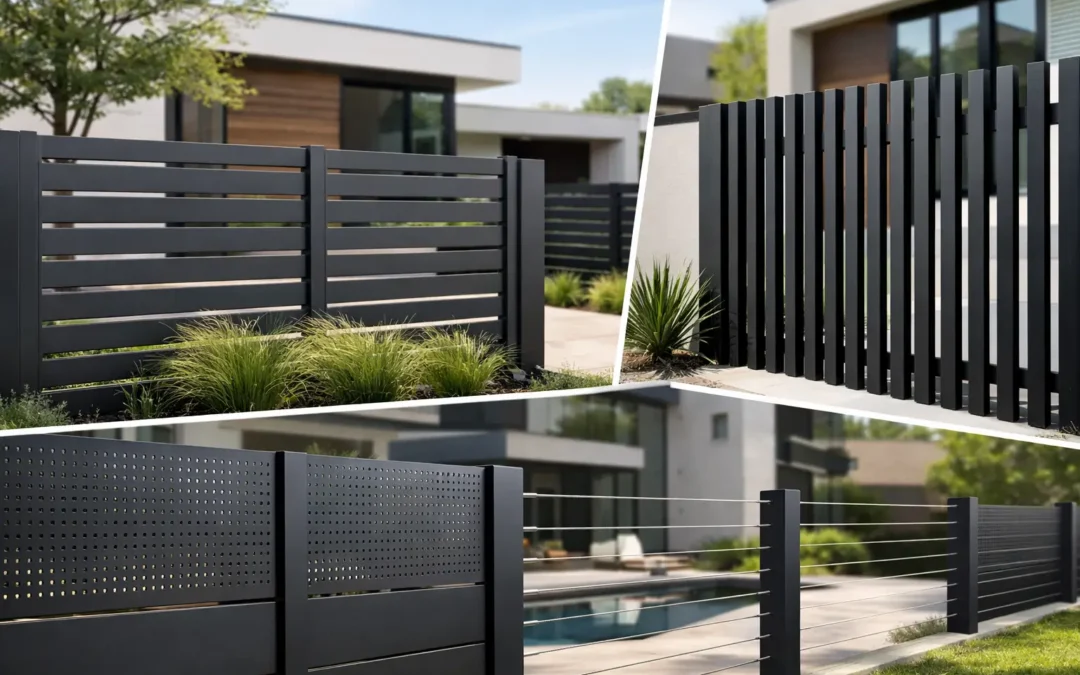
A fence changes more than a property line. It changes how your home feels when you pull into the driveway, how private your backyard becomes, and how confidently you can balance security with design. The best metal fence designs do all three well – they protect the space, sharpen the architecture, and still feel like they belong with the home instead of being added as an afterthought.
For homeowners and property investors, that usually means looking beyond a basic panel and thinking about proportion, spacing, finish, visibility, and long-term maintenance. A metal fence should look strong on day one, but it should also make sense five years from now, after weather, daily use, and changing needs have tested the decision.
What makes the best metal fence designs stand out
Good fence design is rarely about decoration alone. The strongest results come from matching the fence to the architecture, the level of privacy you want, and the way the space is used. A front-yard fence often benefits from openness and clean lines, while a backyard or pool enclosure may need more screening and stricter safety considerations.
Material choice matters just as much as style. Aluminum offers a sleek look with lower maintenance. Steel brings added strength and a more substantial feel. Wrought iron remains a favorite for clients who want detail, weight, and a more traditional custom finish. The right answer depends on budget, exposure to the elements, desired appearance, and whether the fence needs to coordinate with gates, railings, or other exterior metalwork.
The best projects also start with measurement and planning, not guesswork. Slight grade changes, gate swing clearance, local code requirements, and sightline goals all affect the final design. A fence that looks great in a photo can underperform on a real property if those details are missed.
10 best metal fence designs worth considering
1. Horizontal slat metal fencing
This is one of the most requested modern looks for a reason. Horizontal slats create a crisp architectural line that complements contemporary homes, updated facades, and minimalist landscaping. Depending on spacing, the design can feel fairly open or much more private.
The trade-off is that proportion matters. Slats that are too heavy can make a smaller property feel boxed in, while spacing that is too wide may not provide the screening the client expected. When designed well, this style delivers a clean, premium appearance with strong curb appeal.
2. Vertical picket fences with a modern profile
A vertical picket fence does not have to look traditional. Slim pickets, tighter geometry, and a matte black finish can turn a familiar format into something modern and refined. This style works especially well at the front of a property where you want security and definition without closing off the view of the home.
It is also a practical choice for owners who want a timeless look that is less trend-driven than horizontal slats. If the house may be sold in the future, this can be a smart middle ground between contemporary and broadly appealing.
3. Privacy panels with minimal detailing
For backyards, side yards, and outdoor living spaces, privacy often leads the conversation. Solid or near-solid metal panel fencing offers a more enclosed feel and can create a sharp backdrop for landscaping, lighting, and outdoor entertaining.
This style is effective, but it needs careful design to avoid feeling too heavy. Panel rhythm, frame thickness, height, and finish make a big difference. Sometimes a mixed approach works better, with solid sections where privacy matters most and more open sections where light and visibility are worth keeping.
4. Laser-cut decorative metal screens
If you want privacy without a blank wall effect, laser-cut panels can be an excellent solution. They add pattern, depth, and personality while still functioning as a barrier. In the right setting, they can make a fence feel custom rather than purely utilitarian.
That said, restraint helps. An overly busy pattern can date quickly or compete with the architecture. The best results usually come from simple, intentional designs that echo the home’s lines and materials.
5. Classic wrought iron fencing
Wrought iron remains one of the best metal fence designs for homes that call for elegance, detail, and a stronger visual presence. It pairs naturally with traditional architecture, stone facades, older homes, and custom gates. Finials, scrollwork, rings, and custom forged elements can turn a fence into a defining architectural feature.
It is not the right fit for every property. On a very modern home, ornate ironwork can feel out of place. But for the right setting, it delivers character that simpler systems cannot replicate.
6. Flat-top steel fencing
Flat-top steel fencing offers a clean, tailored look with a little more visual weight than lighter aluminum systems. It suits both residential and commercial properties where durability and a straightforward design language matter.
This is often a strong choice for clients who want security without an aggressive appearance. The lines are simple, the structure feels substantial, and the finish can be coordinated with gates, handrails, or balcony elements for a more unified exterior.
7. Aluminum fences for low-maintenance performance
Aluminum fencing is popular because it balances appearance, durability, and upkeep. It resists rust well, works across a range of styles, and can be fabricated into both classic and contemporary profiles. For many homeowners, that low-maintenance advantage is a deciding factor.
The main consideration is feel. Aluminum is excellent for many applications, but if you want the heaviest, most substantial presence possible, steel or wrought iron may better match that expectation. It depends on the look and performance priorities of the project.
8. Mixed metal and glass fence systems
For upscale modern homes, combining metal framing with glass inserts can create a very polished result. This approach preserves sightlines, adds a premium architectural feel, and works well around pools, terraces, and properties with landscaping or views worth showcasing.
It does require more planning. Glass changes how privacy, cleaning, and maintenance should be considered. But when the goal is openness with a defined edge, few options look as refined.
9. Metal fences with integrated gates and access control
Sometimes the best design is not just about the fence panels themselves. A custom gate, keypad entry, automatic opener, or carefully concealed hardware can elevate the entire system. This matters even more on larger homes, investment properties, and commercial sites where access and day-to-day convenience are central to the project.
A well-designed gate should feel like part of the fence, not a separate item attached later. Consistent lines, matching finish, and proper engineering help the whole installation look intentional.
10. Custom hybrid designs
Some of the best projects do not fit neatly into one category. A property may need an open front fence, a more private side-yard screen, and a feature gate that ties the whole concept together. In those cases, a hybrid design often delivers the best result.
This is where custom fabrication becomes valuable. Instead of forcing one style everywhere, the fence can respond to how each area of the property is used while still maintaining one coherent design language.
How to choose the right metal fence for your property
The right fence starts with the right priority. If privacy is the main goal, panel systems or tighter slat designs usually make more sense than open pickets. If curb appeal is the focus, a more transparent design may better highlight the home itself. If security leads the project, structural strength, gate design, and hardware quality become especially important.
Architecture should guide the style. Modern homes often benefit from horizontal lines, slim profiles, and restrained detailing. Transitional homes can support either modern vertical pickets or softer custom ironwork, depending on the rest of the exterior. Traditional properties usually look best with classic iron or steel formats that feel proportionate to the house.
Maintenance expectations also matter. Many owners love the look of custom metalwork but want a finish and material system that holds up well with minimal attention. Being honest about that early helps narrow the options quickly.
Why professional design and installation matter
Fence projects look simple until the real-world details show up. Sloped ground, gate alignment, post spacing, drainage, code requirements, and material transitions can all affect performance and appearance. That is why a professional process matters.
When a project includes site measurement, job-specific drawings, client approval, and engineered review where required, the result is more predictable and more buildable. At Iron & Glass Designs, that disciplined approach helps clients move from idea to finished installation with fewer surprises and a lot more confidence.
Just as important, custom fabrication allows the fence to work with the property instead of against it. Heights can be adjusted, details can be refined, and the final build can coordinate with railings, balconies, gates, or other exterior features for a cleaner overall finish.
Best metal fence designs should fit the home, not just the trend
Trends can be useful for inspiration, but the strongest fence designs are the ones that still feel right after the novelty wears off. A well-designed metal fence should look intentional from every angle, function properly every day, and add value to the property without demanding constant attention.
If you are choosing among the best metal fence designs, focus on the version that matches your home, your privacy needs, and the level of finish you want to live with long term. The right design does not just close in a space – it completes it.