
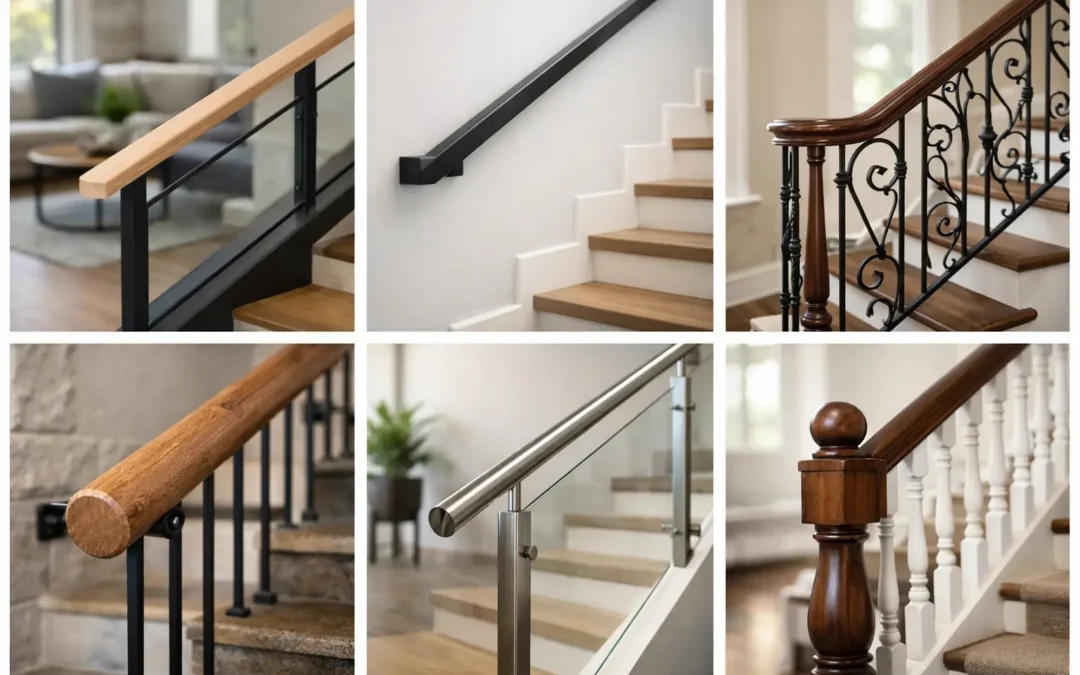
A stair handrail does more than meet code. It frames the way your home feels the moment someone walks in. The best interior stair handrail styles bring safety, visual flow, and a level of finish that can make an ordinary staircase feel fully designed rather than simply built.
For homeowners planning a renovation or new build, the handrail decision usually comes down to two questions. What looks right in the space, and what will hold up over time? The right answer depends on your layout, your design direction, and how much you want the railing to stand out or disappear into the architecture.
How to choose among the best interior stair handrail styles
A handrail should always be attractive, but style without function is a mistake. In active family homes, grip comfort, durability, and ease of cleaning matter just as much as appearance. In investment properties, consistency, resilience, and broad appeal tend to matter more than highly personal details.
Sightlines are another major factor. Some railings visually open a staircase and let natural light travel through the space. Others create stronger definition and become a focal point. Neither approach is automatically better. It depends on whether you want the stair to feel light and minimal or grounded and architectural.
Material pairing matters too. Wood floors, stone treads, black steel accents, white walls, and large windows all interact with the handrail. The strongest results usually come from treating the railing as part of the overall interior palette, not as an afterthought.
1. Frameless glass handrails
Frameless glass is one of the most requested options in modern interiors, and for good reason. It keeps views open, allows light to pass through, and gives the staircase a clean, premium look. In homes with open-concept layouts, this style helps the stair feel less bulky and more integrated with the surrounding space.
The trade-off is that glass shows fingerprints and dust more readily than some other materials, especially in busy households with children or pets. It also needs precise measurement, proper hardware selection, and professional installation to look right. When executed well, though, it offers that sought-after minimalist finish without making the staircase feel cold.
Frameless glass works especially well in contemporary homes, upscale renovations, and spaces where you want the architecture and finishes beyond the stair to remain visible.
2. Glass with metal top rail
If you like the openness of glass but want a stronger sense of structure, glass with a metal top rail is a smart middle ground. It keeps the space bright and modern while adding a more defined edge for the hand. For many homeowners, this style feels more substantial and practical than fully frameless glass.
Black metal creates contrast and a crisp modern profile. Stainless steel reads lighter and more refined. The result is polished, durable, and often easier to integrate with other metal details in the home, such as door hardware, lighting, or kitchen accents.
This is also a useful option when clients want a contemporary look without going to the absolute minimum visual expression of frameless systems.
3. Modern wrought iron handrails
Wrought iron remains one of the best interior stair handrail styles when you want character, strength, and long-term durability. The old image of heavily ornamental ironwork does not tell the full story. Today, wrought iron can be tailored into sleek, restrained profiles that feel current rather than traditional.
Simple vertical pickets, slim frames, and matte black finishes are especially popular because they work across many interior styles. They can complement modern farmhouse homes, transitional interiors, and urban properties that need a little architectural definition.
The key is restraint. Too much decorative detail can date the space quickly. Clean fabrication and balanced proportions are what make modern iron railings feel elevated.
4. Horizontal metal rail systems
Horizontal metal railings create a strong linear effect that immediately reads modern. They bring rhythm to the staircase and pair well with homes that use long sightlines, geometric forms, and minimal trim details. When fabricated well, they feel custom and intentional.
That said, this style is not right for every setting. It can feel visually busy in smaller stairwells, and local code requirements must always be reviewed carefully. In family homes, some owners also prefer to avoid a horizontal pattern if small children are part of the picture.
Where the architecture supports it, horizontal rail systems can deliver a sharp, contemporary look with plenty of durability.
5. Vertical metal picket handrails
Vertical picket railings are timeless because they solve several problems at once. They provide safety, maintain relatively open sightlines, and fit a wide range of interiors. Compared with more trend-driven styles, they also age very well.
This is often the right choice for homeowners who want an updated stair without committing to a look that may feel overly specific five years from now. Thin black pickets with a coordinated handrail can feel clean and modern, while thicker profiles create a more classic architectural presence.
For many projects, vertical metal pickets offer the best balance of style, code-friendly design, and practical value.
6. Stainless steel handrails
Stainless steel handrails have a precise, architectural quality that suits modern and commercial-inspired interiors. They are durable, corrosion-resistant, and relatively low maintenance, which makes them appealing for both homes and mixed-use properties.
Their appearance is cooler than black steel or wood, so they work best when the interior already includes similarly crisp finishes. In a softer or more rustic home, stainless steel can feel slightly out of place unless it is balanced by warmer materials nearby.
When paired with glass, stainless steel creates a very polished, contemporary result. It is a style choice that communicates durability and discipline as much as design.
7. Wood handrails with metal balusters
If you want warmth without losing a modern edge, a wood handrail combined with metal balusters is one of the strongest options available. The wood softens the staircase and makes the rail more comfortable to the touch, while the metal keeps the overall look tailored and durable.
This style is especially effective in transitional homes where fully glass or all-metal systems might feel too stark. It bridges classic and contemporary design in a way that feels easy to live with.
Finish selection matters here. A rich wood tone can add contrast and warmth, while a lighter finish can keep the look airy and current. Done well, this combination feels custom rather than generic.
8. Wall-mounted minimalist handrails
Not every staircase needs a full railing assembly on both sides. In some interiors, a wall-mounted handrail is the cleanest and most efficient solution. This is common in narrow stairways, basement stairs, and modern spaces where simplicity is the priority.
A minimalist wall-mounted rail in black metal, stainless steel, or wood can look sharp without dominating the stair. The limitation is visual impact. It provides function and subtle finish, but it will not create the same architectural statement as a full custom guard and handrail system.
For the right layout, though, its simplicity is exactly the point.
9. Mixed-material custom handrails
Some of the most successful stair projects combine materials rather than relying on a single one. Glass and black steel, wood and iron, or stainless steel and tempered glass can each create a distinct personality. These combinations allow the staircase to respond more precisely to the home around it.
This is often the best route when clients have a clear design vision but need help turning that vision into something buildable, durable, and code-aligned. Custom mixed-material railings can solve awkward transitions, unusual stair geometry, or the need to tie together finishes from multiple levels of the home.
The advantage is flexibility. The challenge is that the details have to be resolved properly. Proportion, hardware, attachment methods, and finish consistency all matter more when multiple materials are involved.
10. Statement handrails with architectural detailing
Sometimes the staircase should lead the design rather than quietly supporting it. A statement handrail can do that through custom ironwork, bold geometry, or a dramatic material contrast. In a large entryway or high-visibility stair, this approach can add real value to the home’s presentation.
The risk is overdesign. A statement stair should still relate to the rest of the house. If the railing is far more elaborate than the surrounding finishes, it can feel disconnected. The best statement pieces are memorable because of their craftsmanship and proportion, not because they are trying too hard.
What style usually adds the most value?
For resale and broad appeal, glass, vertical metal pickets, and wood-and-metal combinations tend to perform well. They feel current, photograph well, and work across a range of interiors. That makes them a safe investment for many homeowners and property investors.
For homes where design impact is the priority, custom glass or finely detailed wrought iron often creates the strongest impression. These options can elevate the stair from a functional element to a defining feature.
The real value, though, comes from execution. Even the best style can disappoint if measurements are off, detailing feels clumsy, or installation lacks precision. That is why a professional process matters so much – site measurement, drawings, approvals, engineering review when required, and installation that respects both design and code.
At Iron & Glass Designs, that balance of craftsmanship and dependable delivery is what turns a concept into a finished handrail that feels right in the space and performs the way it should.
If you are comparing options, start with the mood you want the staircase to create, then match that vision to the materials, maintenance level, and structure your home actually needs. The best choice is the one that still looks right after the excitement of the renovation is over.