
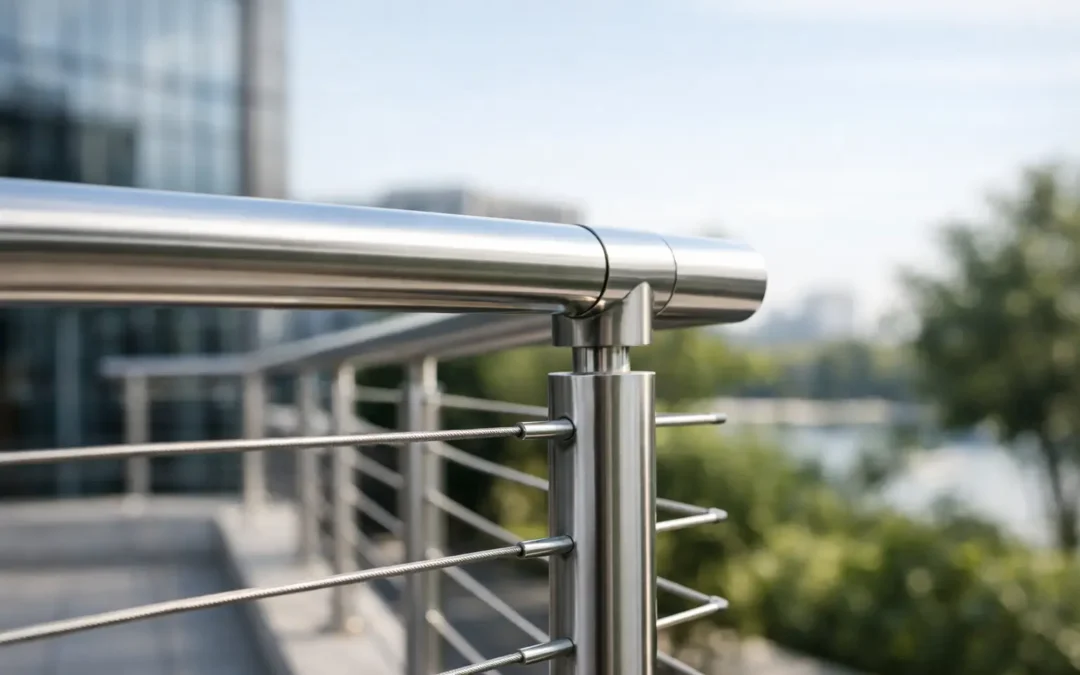
A railing can either disappear into the architecture or define the entire space. Stainless steel tends to do both at once. It looks clean and modern, but it also carries the practical weight of safety, durability, and code performance. That is why a guide to stainless steel railings needs to go beyond appearance and get into where they work best, what they cost, and how they should be built.
For homeowners, stainless steel railings often become the finishing detail that makes a staircase, balcony, or deck feel complete rather than unfinished. For commercial properties, they offer a polished, durable system that can stand up to frequent use without looking heavy or dated. The appeal is straightforward – strong material, low maintenance, and a design language that works with glass, wood, stone, and concrete.
Why choose stainless steel railings?
Stainless steel has a reputation for being sleek, but the real value is in how well it balances looks and performance. It resists corrosion better than many other metals, which makes it a smart option for both interior and exterior installations. In spaces exposed to moisture, temperature shifts, or heavy traffic, that matters.
It also gives designers and property owners more flexibility than people often expect. Stainless steel can support a minimalist railing with slim posts and glass infill, or it can be used in a more architectural system with cable, rod, or custom metal details. The material feels contemporary, yet it does not force the rest of the project into an ultra-modern style.
There is a trade-off, though. Stainless steel usually costs more upfront than some painted steel or basic aluminum systems. If the goal is the lowest initial price, it may not be the first choice. But when clients are looking at long-term value, reduced maintenance, and a premium finish, stainless steel often makes strong financial sense over time.
A guide to stainless steel railings by application
Not every railing system belongs in every setting. The right solution depends on exposure, traffic, the surrounding materials, and the overall design intent.
Interior stairs and landings
Inside the home, stainless steel railings are often chosen for their clean profile. They pair especially well with hardwood treads, floating staircases, and open-concept layouts where visual weight matters. A bulky railing can break up the space. Stainless steel keeps lines lighter and more refined.
For interior use, polished or brushed finishes are both common. Brushed stainless tends to be more forgiving with fingerprints and small scratches, which makes it a practical choice for active households. Polished finishes can look striking, but they usually require more frequent cleaning to keep their crisp appearance.
Exterior decks, porches, and balconies
Outside, the conversation changes. Weather exposure, drainage, and long-term durability become more important. Stainless steel performs well in these applications, especially when the railing is engineered and fabricated properly for the environment.
Balconies and elevated decks need more than good looks. They need secure anchoring, code-compliant heights, and details that manage water without compromising the base connections. This is where custom fabrication and proper installation matter. A railing that looks sharp on day one but traps moisture around fasteners can create avoidable problems later.
Commercial and multi-unit properties
In commercial spaces, stainless steel railings offer a professional finish that holds up under constant use. They work well in office buildings, retail spaces, apartment common areas, and hospitality settings where the railing needs to perform without looking industrial.
For these projects, engineering, approvals, and code alignment are not side issues. They are part of the job. Property owners and contractors usually need a railing partner who can translate design intent into shop drawings, review requirements, and installation that stays on schedule.
Common stainless steel railing styles
Most clients start with a photo they like. The better starting point is understanding the main system types and how each one changes the feel of the project.
Stainless steel with glass
This is one of the most requested combinations for modern homes and upscale commercial spaces. Stainless steel provides the structure, while glass keeps sightlines open. It works especially well for staircases, balconies, and terraces where preserving light or views is part of the goal.
The visual result is clean and high-end. The trade-off is maintenance. Glass introduces more visible smudges and water spots than a railing with only metal pickets or bars. That does not make it a poor choice – it just means the owner should expect occasional cleaning as part of keeping the system looking its best.
Horizontal bar or rod railings
Horizontal stainless steel bars create a crisp, architectural look. They suit modern homes, loft-style interiors, and exterior spaces where the design leans contemporary. They also offer more openness than traditional vertical pickets.
This style needs to be handled carefully from a code perspective. Spacing, climbability concerns, and local requirements can influence whether the concept is suitable as proposed or needs modification. Good design is not only about matching a photo. It is about making that photo buildable and compliant.
Cable-inspired minimalist systems
Some clients want the lightest possible appearance. Slim stainless steel framing can deliver that effect, whether paired with cables, rods, or understated infill details. These systems look effortless when executed well, but they demand precision in fabrication and installation. Minor inconsistencies are easier to notice in minimalist work.
Finish, grade, and durability considerations
A lot of railing decisions are made on style alone, then regret shows up later in the form of maintenance issues or finish disappointment. Stainless steel is not one-size-fits-all.
The grade of stainless steel matters, particularly outdoors. Depending on the setting, the best choice may vary based on moisture exposure, winter conditions, or proximity to corrosive elements. Finish matters too. A satin or brushed finish usually gives a more forgiving, practical look for everyday use, while polished finishes make a stronger visual statement.
This is one of those areas where product knowledge saves money. Choosing the right material specification at the start is far more efficient than trying to correct a poor selection after fabrication.
What affects cost?
Clients often ask for a square-foot or linear-foot number, but railing pricing is rarely that simple. Stainless steel railings are custom architectural elements, and cost depends on more than raw material.
Design complexity has a direct impact. Straight runs are generally more efficient than stairs, corners, or curved sections. Infill choice also affects budget. Stainless steel with glass usually costs more than a simpler metal-only system because it adds material, detailing, and installation steps.
Site conditions matter just as much. A new build with clear access is different from a renovation with finished surfaces, tight stairwells, or challenging anchoring conditions. Engineering, custom drawings, and permit-related documentation may also be part of the scope, especially for exterior or commercial projects.
That is why a real quote should come after a site review and clear understanding of the project. It protects the client from guesswork and helps keep expectations aligned with what is actually being built.
Why process matters as much as product
A stainless steel railing is only as good as the process behind it. Good projects usually follow a disciplined path: site measurement, job-specific drawings, client review, engineering where required, fabrication, and professional installation. That process is not red tape. It is what turns an idea into a finished railing that fits properly, looks right, and meets the demands of the space.
For homeowners, this structure reduces uncertainty. For contractors and commercial clients, it reduces risk. Everyone involved can see what is being made before production starts, and problems are addressed on paper instead of on-site.
This is where a full-service fabricator brings real value. Iron & Glass Designs works closely with clients from concept through final installation, which is especially important when the railing is part of a larger renovation or custom build.
How to know if stainless steel is the right fit
If you want a railing that feels current, performs well over time, and complements modern materials, stainless steel is usually a strong candidate. If your project leans heavily traditional or your budget is tightly fixed around the lowest-cost option, another material may be a better fit.
The best choice comes down to priorities. Are you trying to maximize durability outdoors? Keep an interior staircase visually open? Create a premium finish for a commercial property? Those answers shape the right system more than trend alone.
The smartest next step is to treat the railing as part of the architecture, not an afterthought. When the design, engineering, fabrication, and installation are aligned from the beginning, stainless steel does what it is supposed to do – it makes the space feel finished, secure, and built to last.
And that is usually the difference between a railing that simply fills a requirement and one that genuinely elevates the property.