
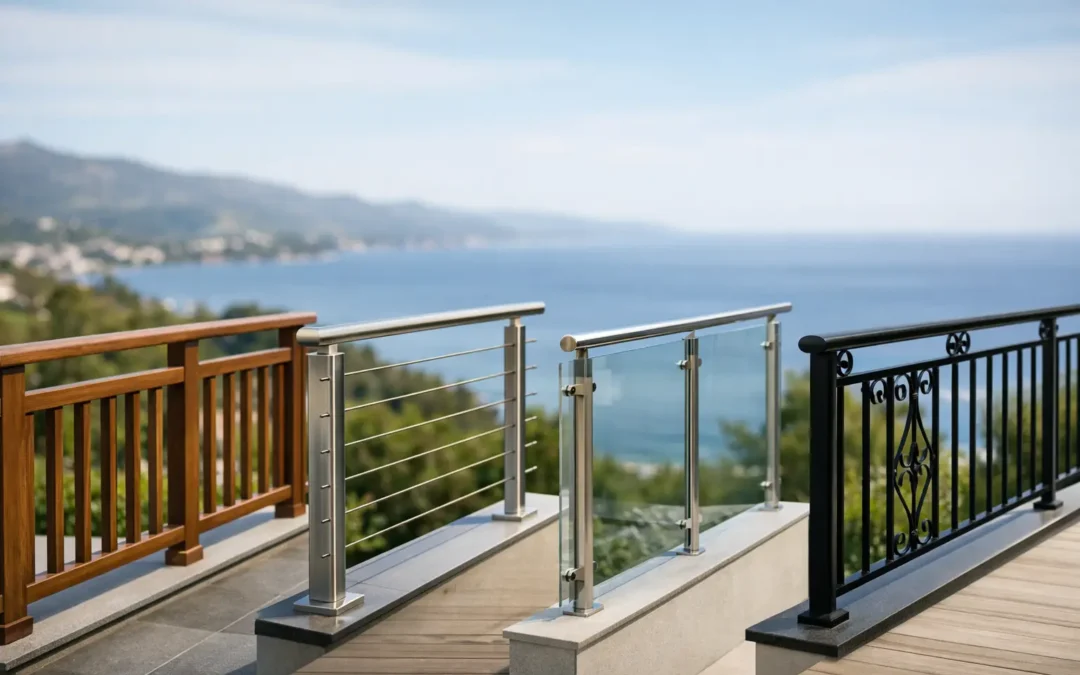
A balcony railing can make a property look sharper or date it instantly. It also has a serious job to do every single day – protect people, hold up to weather, and meet code without compromising the look of the space. When clients ask about the best railing options for balconies, they are usually balancing three things at once: appearance, durability, and budget. The right choice depends on how you want the balcony to feel, how much maintenance you can tolerate, and whether the project calls for a clean modern finish or more architectural detail.
What makes a balcony railing the right choice?
A good railing is not just about picking a material that looks nice in a photo. On an actual project, the best fit comes down to exposure, sightlines, building style, safety requirements, and installation details. A downtown condo balcony facing open wind has different demands than a covered rear balcony on a custom home.
That is why material selection should happen alongside real measurements, design drawings, and code review. A railing may look minimal, but the engineering behind it matters. Height, spacing, structural attachment, and load requirements all need to be handled correctly so the finished result feels refined and dependable, not improvised.
Best railing options for balconies by material and style
Glass railings
Glass remains one of the most requested balcony railing choices for homeowners who want a clean, modern exterior. It keeps views open, lets more light move through the space, and works especially well on elevated decks, rear balconies, and properties with landscaping or water views.
Frameless and semi-frameless systems create a premium look, but they are not all the same. Some clients prefer the most minimal profile possible, while others want a top cap or metal posts for a little more visual definition. The main advantage is visual openness. The trade-off is maintenance. Glass shows fingerprints, dust, pollen, and water spots more readily than metal pickets, so it rewards owners who are willing to clean it regularly.
From a design standpoint, glass pairs well with contemporary homes, mixed-material exteriors, and renovation projects where the goal is to modernize without making the architecture feel heavy.
Aluminum railings
Aluminum is one of the most practical options on the market. It is lightweight, corrosion-resistant, and well suited for exterior use in climates with seasonal weather changes. For many homeowners and property investors, aluminum delivers the balance they want – a clean appearance, lower maintenance, and a more approachable price point than some premium custom systems.
It also offers flexibility in style. You can go with simple vertical pickets for a timeless look or choose sleeker profiles for a more modern appearance. Powder-coated finishes help aluminum hold its color well over time, and upkeep is typically straightforward.
The main consideration is visual impact. Aluminum can look elegant and understated, but it will not create the same fully open view as glass. If preserving sightlines is the top priority, glass usually wins. If durability and value are leading the decision, aluminum is often a strong choice.
Stainless steel railings
Stainless steel has a crisp, architectural look that suits modern homes and commercial properties very well. It performs well outdoors, resists corrosion, and gives a project a distinctly high-end finish when detailed properly.
This material is often selected for clients who want something contemporary but more structured than glass alone. It can be used with horizontal elements, posts, or mixed with glass panels for a balanced system. Stainless steel has a polished, precise appearance that works best when the rest of the project supports that level of modern detailing.
The trade-off is cost. Stainless steel is a premium material, and fabrication quality matters. Poorly executed detailing stands out quickly with this style, so design, manufacturing, and installation need to be handled with care.
Wrought iron railings
Wrought iron brings character that many modern systems deliberately avoid. That is exactly why it still has a place. On traditional homes, older properties, and custom builds with more decorative architecture, wrought iron can add strength, rhythm, and a handcrafted feel that simpler systems cannot replicate.
It is also highly customizable. Scrolls, custom patterns, and tailored profiles can turn a balcony into a true architectural feature rather than just a safety component. For some clients, that level of detail is the whole point.
The trade-off is maintenance. Exterior iron needs proper finishing and long-term care to stay in excellent condition, especially in wet or variable weather. It is a strong option when aesthetics matter enough to justify that upkeep.
Steel railings
Steel offers strength and a more substantial presence. It can be fabricated into minimalist modern forms or more industrial-inspired designs, depending on the property. For balconies that need a tougher visual language, steel often feels more grounded than aluminum.
As with iron, finish quality matters. Exterior steel must be protected correctly to resist corrosion and maintain its appearance. When properly fabricated and coated, it can be an excellent long-term solution. It is especially appealing for clients who want custom detailing and a solid, engineered feel.
Cable railings
Cable railings are popular in some modern and view-focused settings because they reduce visual obstruction. They can create a sleek look, especially when paired with metal frames and contemporary architecture.
That said, they are not always the best balcony solution. Some property owners prefer more privacy, and some applications call for a stronger visual barrier. Depending on local code requirements and the specific project, cable systems may also need closer design review than clients initially expect. They can look impressive, but they are more of a style-specific choice than a universal answer.
Mixed-material railings
Some of the best balcony railings are not made from one material alone. Glass with stainless steel, aluminum with privacy panels, or steel with custom metal infill can solve both functional and visual goals at once.
This approach works well when clients want the openness of glass but still need stronger framing, or when the design of the home calls for contrast. Mixed-material systems can also help manage cost by focusing premium materials where they have the biggest visual impact.
How to choose the best railing option for your balcony
The quickest way to narrow the field is to start with the view. If the balcony overlooks a backyard, skyline, or waterfront, glass usually deserves serious consideration. If the view is not the main feature, metal systems may offer better value and easier upkeep while still looking polished.
Next, think about maintenance honestly. Many people love the appearance of glass but do not love cleaning it. Others appreciate the classic style of iron but would rather avoid the ongoing attention it needs outdoors. A railing should fit the way you actually live, not just the way you want the finished photos to look.
Then consider the architecture of the property. A sleek glass system can transform a modern renovation, but on a more traditional facade it may feel disconnected. In the same way, decorative iron can add warmth and identity on one home and feel too heavy on another. The best results happen when the railing looks integrated with the building rather than applied after the fact.
Why process matters as much as material
Even the best railing options for balconies can disappoint if the project is not handled properly. Field measurement, job-specific drawings, approvals, engineering review where required, and precise installation all shape the final result. This is where many projects separate polished craftsmanship from avoidable problems.
A well-built railing should feel solid, align cleanly, and look intentional from every angle. That takes more than a catalog pick. It takes design coordination, fabrication discipline, and installation that respects both the finish materials and the structure underneath.
For homeowners and property investors, this kind of process also removes a lot of uncertainty. You are not just buying material. You are buying a finished system that has to perform safely and look right for years.
The option that usually delivers the most value
If there were one perfect answer, every balcony would use the same system. In reality, the best choice depends on the property and the priorities behind the project. Glass often leads for modern aesthetics and open views. Aluminum is hard to beat for low maintenance and value. Stainless steel offers a premium architectural look. Iron and steel bring more character and custom presence.
At Iron & Glass Designs, we see the strongest outcomes when clients choose a railing not just for the material itself, but for how it fits the home, the exposure, and the intended finish of the overall project. A balcony is a visible part of the property every day. When the railing is designed well, engineered correctly, and installed with precision, it does more than protect the edge – it elevates the entire space.
If you are comparing options, start with the result you want to see every time you step outside. The right railing should feel secure, look natural on the building, and make the upgrade feel worth it long after installation day.