
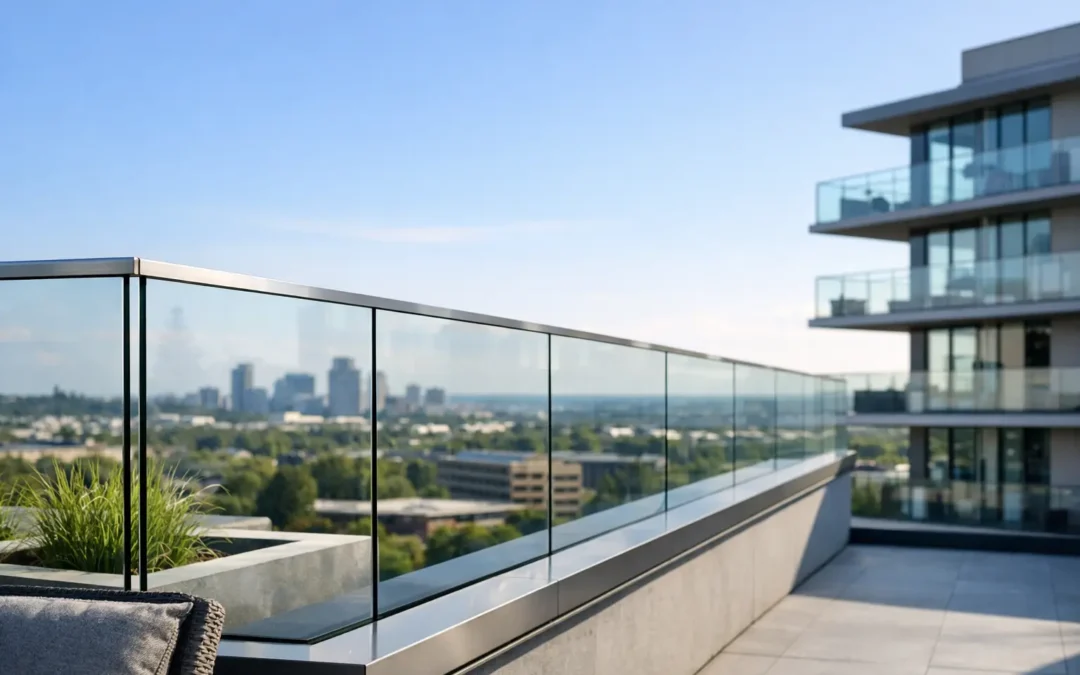
A balcony with a great view should feel open, not boxed in by heavy pickets or bulky framing. That is exactly why many homeowners and property developers start looking for a guide to exterior glass guards – they want safety and clean lines without losing light, sightlines, or the architectural character of the property.
Exterior glass guards are often chosen for decks, balconies, raised terraces, porches, and stair landings where fall protection is required but a lighter visual footprint is preferred. When they are designed properly, they do more than meet a safety need. They sharpen the look of the exterior, make smaller spaces feel larger, and help modernize a home or commercial facade without overwhelming it.
What exterior glass guards actually do
At the most basic level, an exterior glass guard is a protective barrier installed at elevated edges where people need protection from falling. The glass can be framed, semi-frameless, or paired with posts and top rails depending on the design intent, site conditions, and code requirements.
The appeal is practical as much as visual. Traditional railing systems divide a view into sections. Glass does not. If your property backs onto a ravine, pool, lake, landscaped yard, or city skyline, that difference matters every day. Even on smaller urban properties, glass guards help preserve openness and daylight, which can make an outdoor space feel more valuable and more finished.
That said, not every project should use the exact same system. A second-floor balcony exposed to heavy wind and weather has different demands than a front porch guard or a rooftop terrace. A good solution starts with the site, not just the style.
A guide to exterior glass guards starts with the setting
The best way to approach exterior glass guards is to think about performance first and appearance second, then bring both together through the design. Homeowners often begin with a reference photo. That is useful, but real-world conditions will shape what can actually be built safely and cleanly.
Height is one of the first considerations. Guard height requirements vary by project type and local code. Residential and commercial applications may also differ. The next factor is the surface the system will be mounted to. Concrete, steel, wood framing, waterproofed balconies, and stair structures each require a different attachment strategy.
Exposure is another major variable. Exterior glass has to handle temperature swings, moisture, snow, wind, and regular cleaning. In some locations, privacy may matter as much as transparency. In others, the top priority is preserving a panoramic view with minimal hardware.
This is where a professional process makes a visible difference. Site measurement, project-specific drawings, and engineering review help ensure the guard is not only attractive in a rendering but also appropriate for the structure it will sit on.
Choosing the right glass guard system
There is no single “best” exterior glass guard system. The right option depends on the architecture, budget, desired look, and structural conditions.
Post-supported systems are a common choice because they balance a clean appearance with dependable support. Metal posts in aluminum, stainless steel, or steel can frame the glass panels in a way that feels modern but still grounded. This style works well when clients want transparency without going fully frameless.
More minimal systems reduce visible hardware and put the focus on the glass itself. These can create a striking architectural result, especially on contemporary homes. But cleaner visuals usually require tighter engineering, more precise installation, and a substrate capable of supporting the design intent. In other words, the less hardware you see, the more important the hidden details become.
Some projects also benefit from a top rail. Others aim for a more open edge profile. This is not just a design decision. It can affect comfort, maintenance, and code compliance. A strong guide to exterior glass guards should always acknowledge that the sleekest-looking option is not automatically the right one for every property.
Materials matter more outdoors
Exterior conditions are tough on building materials, so selection matters. Tempered or laminated safety glass is typically used for guard applications, with thickness and composition determined by the system design and engineering requirements. The glass must be suited for impact resistance and long-term outdoor exposure.
The supporting metal components matter just as much. Powder-coated aluminum is often a strong choice for homeowners who want durability, corrosion resistance, and a refined finish. Stainless steel can also perform well, particularly in designs where a crisp, contemporary appearance is the goal. For some custom projects, steel components may be incorporated, but they need the right finishing and detailing for exterior use.
Hardware, anchors, gaskets, and edge details should never be treated as minor accessories. These small components influence how the system ages, how water is managed, and how solid the installation feels over time. A beautiful glass guard can lose its appeal quickly if the fittings stain, loosen, or trap moisture.
Code, engineering, and why details cannot be guessed
Homeowners usually focus first on appearance. Contractors and commercial clients often focus first on approvals. Both are right to care.
Exterior glass guards are life-safety systems. That means dimensions, loading requirements, attachment methods, and glass specifications must align with applicable code and the actual conditions on site. This is not an area where rough assumptions are good enough.
For many projects, especially those involving balconies, elevated decks, multifamily properties, or commercial spaces, engineered drawings and review are a key part of the process. That protects the owner, supports permitting where needed, and helps avoid costly redesigns after fabrication has already started.
A disciplined workflow matters here. Measuring the site properly, preparing job-specific drawings, obtaining client approval, and having the design reviewed for compliance creates a smoother path from concept to installation. It also reduces the risk of awkward field fixes, mismatched dimensions, or guard layouts that interfere with doors, drainage, or finish materials.
Installation quality is what people notice later
A glass guard can look simple from a distance. Up close, the quality of the installation tells the real story.
Panel alignment, spacing, level lines, edge consistency, and clean anchoring all affect the final result. If one panel sits slightly off, if posts drift out of line, or if the hardware layout feels improvised, the whole system looks less premium. On exterior work, poor detailing also creates long-term issues with water, movement, and maintenance.
Professional installation is about more than setting panels in place. It includes protecting surrounding finishes, accounting for expansion and contraction, coordinating with waterproofing or surface finishes, and making sure the completed guard feels as solid as it looks.
This is especially important on custom homes and renovation projects where no two conditions are exactly the same. Precision on site is what turns a strong design into a finished result that feels intentional.
Maintenance and everyday ownership
One of the most common concerns homeowners have is maintenance. The good news is that exterior glass guards are generally straightforward to care for. Regular cleaning keeps panels clear and helps preserve the polished appearance that made glass appealing in the first place.
Still, it is worth being realistic. Glass shows dirt, pollen, water spots, and fingerprints more readily than some other railing materials. If your property is close to trees, traffic, pool spray, or heavy weather exposure, cleaning frequency may be higher. That does not make glass a poor choice. It simply means the maintenance trade-off should be understood upfront.
The payoff is that glass does not visually crowd the space, and when paired with quality hardware and proper installation, it holds its appearance well. For many clients, that balance is well worth it.
When exterior glass guards are the right investment
Exterior glass guards make the most sense when safety, architecture, and visibility all matter at once. They are especially effective on properties with a view, on homes aiming for a more contemporary exterior, and on renovations where replacing an outdated railing can dramatically improve curb appeal.
They can also add value in commercial settings where presentation matters. Restaurants, offices, multi-unit residences, and hospitality properties often benefit from systems that feel open, polished, and professionally integrated into the building design.
The key is to treat the project as a custom system rather than a commodity product. Good results come from matching the right glass configuration, metal finish, engineering approach, and installation method to the specific site. That is where an experienced fabrication and installation partner proves its worth. At Iron & Glass Designs, that means working closely with clients from measurement and drawings through production and final installation so the finished guard looks right and performs the way it should.
If you are considering exterior glass guards, start by looking past the inspiration photo and focusing on how the system needs to function on your property. The best projects are the ones where the view stays open, the lines stay clean, and the safety is built into every detail.