
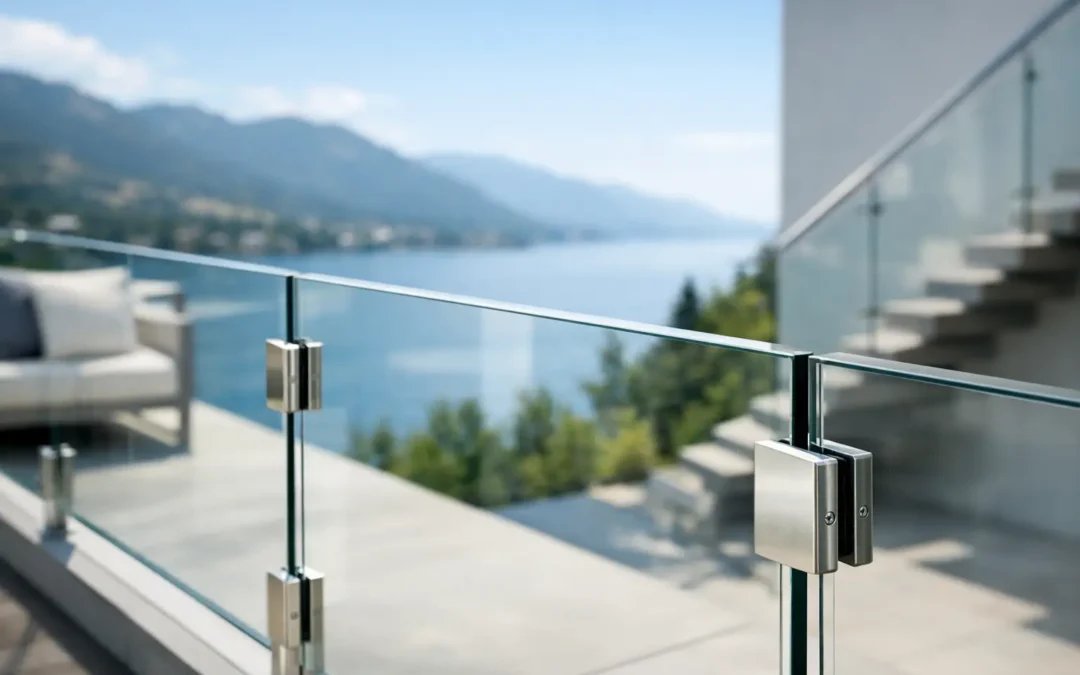
A staircase can feel heavy and dated even after a full renovation if the railing blocks light and chops up the space. That is usually the moment homeowners start asking, what is tempered glass railing, and why does it show up in so many modern homes, condo buildings, balconies, and commercial interiors.
Tempered glass railing is a railing system that uses safety glass panels instead of traditional balusters, pickets, or spindles. The glass is heat-treated to make it much stronger than standard glass and designed to break into small, less dangerous pieces if it ever fails. In practical terms, it gives you the clean look of open sightlines without giving up the safety function a railing is supposed to provide.
For many properties, that combination is exactly the appeal. You get a contemporary finish, better visibility, and a system that can be tailored to interior stairs, exterior decks, balconies, landings, and poolside areas. But like any premium building feature, the right result depends on design, engineering, fabrication, and installation being handled properly.
What is tempered glass railing and how does it work?
At its core, a tempered glass railing is a guard or handrail system built around glass panels that have been specially processed for strength and safety. The panels are typically secured with metal posts, base shoe channels, clamps, standoffs, or a combination of structural supports depending on the layout and code requirements.
The glass itself starts as regular glass, then goes through a heating and rapid-cooling process. That treatment changes the internal stress pattern of the panel, making it several times stronger than untreated glass. It also changes how the glass breaks. Instead of forming large sharp shards, tempered glass is made to crumble into small pebble-like fragments.
That matters because railings are not decorative accessories. They are safety systems. Whether installed on an interior staircase or an elevated exterior balcony, the assembly needs to perform under real use, meet local code requirements, and suit the conditions of the site.
Why homeowners and builders choose tempered glass railing
The biggest reason is visual impact. Glass railings create a lighter, more open appearance than wood or metal picket systems. On an interior stair, that can make the entire floor feel brighter. On a deck or balcony, it can preserve a view that traditional railings would interrupt.
The second reason is flexibility. Tempered glass railing can work with stainless steel, aluminum, or custom metal framing, so it fits a wide range of architectural styles. Some clients want a very minimal look with large uninterrupted panels. Others prefer a more defined frame that blends glass with metal for a balanced, durable finish.
There is also a practical side. Glass does not rust, and quality railing systems are built to hold up well in daily residential and commercial use. When the system is properly specified for the environment, it can be a strong long-term option for both indoor and outdoor applications.
Where tempered glass railing is commonly used
Tempered glass railing is popular in interior staircases, second-floor overlooks, balconies, porches, terraces, decks, and commercial entry areas. It also appears around pool enclosures and shower-adjacent spaces where a clean, water-resistant finish makes sense.
That does not mean one system fits every location. An interior stair railing may prioritize visual continuity and a refined finish, while an exterior balcony system has to account for weather exposure, drainage, structural movement, and more demanding guard requirements. The best result comes from treating each installation as its own project rather than forcing a standard package onto every property.
The safety side of tempered glass railing
A lot of people hear the word glass and immediately wonder whether it is actually safe. That is a fair question. The answer is yes, when the correct glass type, thickness, hardware, and support system are chosen for the application.
Tempered glass is considered safety glass, which is why it is widely used in architectural settings. For railings, however, safety is not only about using tempered glass. It is also about engineering the complete assembly correctly. Panel size, edge conditions, hardware spacing, loading requirements, and attachment details all affect performance.
In some projects, laminated glass may also come into the conversation. Laminated glass includes an interlayer that helps hold the panel together if breakage occurs. Whether tempered glass alone is appropriate or a laminated configuration is preferred depends on code, use case, and design intent. This is one of those areas where general internet advice is not enough. A professional review is worth it.
Frameless vs framed tempered glass railing
When people picture glass railing, they often imagine a frameless system. That look is real, and it is popular for good reason. Frameless designs usually rely on base channels or specialized mounting hardware to keep the focus on the glass itself. The result is sleek, modern, and especially effective where preserving the view is a priority.
Framed or post-supported systems use metal posts and top rails to define the structure more visibly. These systems can still look contemporary, but they often feel a little more architectural and can offer a different balance of price, detailing, and support.
Neither option is automatically better. Frameless can look more minimal, but it may require tighter tolerances and more specialized installation. Framed systems can be highly durable and visually sharp, especially when paired with custom metal fabrication. The right choice depends on the space, the style of the property, and the level of finish you want.
What to expect during a tempered glass railing project
A successful railing project starts well before the glass is installed. Accurate site measurement is critical because glass fabrication is not forgiving of guesswork. Once dimensions are confirmed, the next step is usually project-specific drawings that show layout, attachment points, heights, and other key details.
For homeowners, this part of the process provides clarity. You are not just being shown a concept. You are seeing how the idea will actually be built. That is where collaboration matters. Adjustments to panel sizes, hardware finishes, post placement, or railing alignment are much easier to address on paper than after fabrication begins.
On many projects, engineering review and stamped drawings are also part of the process, especially where permits or code compliance are involved. That step adds confidence for owners, builders, and property managers because it confirms the system has been reviewed for its intended use.
After approvals, the materials move into production, then to installation. A precise install is what ties the whole project together. Even premium materials can look off if alignment is poor, fasteners are misplaced, or the detailing feels rushed. Good installation is not only about appearance. It is about long-term performance.
Maintenance and everyday care
Tempered glass railing is relatively easy to maintain, which is another reason people like it. Routine cleaning usually involves a non-abrasive glass cleaner, mild soap, water, and a soft cloth. Exterior systems may need more frequent cleaning because of dust, rain spotting, or pollen.
Fingerprints and smudges are part of the trade-off, especially on interior railings used daily by families or in high-traffic commercial settings. If you love a crisp, polished look, you will need occasional upkeep. The good news is that the cleaning process is straightforward, and the visual payoff is usually worth it.
The metal components matter too. Hardware and framing should be selected for the environment, particularly outdoors where moisture and temperature shifts can be harder on finishes. This is one reason custom fabrication and material selection deserve more attention than people sometimes give them.
Is tempered glass railing right for your property?
If you want a railing that opens up the space, supports a modern design, and delivers real safety performance, tempered glass railing is a strong option. It works especially well when natural light, sightlines, and a clean architectural finish are high priorities.
Still, it is not purely a style decision. Budget, code requirements, maintenance preferences, and site conditions all play a role. A small interior stair update may call for one approach, while a multi-level exterior balcony system may need a more engineered solution from the start.
That is why the best projects begin with a conversation, not a guess. At Iron & Glass Designs, we work closely with clients to translate an idea into a buildable, code-aligned railing system with the right measurements, drawings, materials, and installation plan. When that process is handled with care, tempered glass railing stops being just a trend and becomes a lasting part of how the property looks, feels, and functions.
If you are considering one for your home or building, the smartest next step is to look at the space the way a fabricator and installer would – not just how you want it to look, but how it needs to perform every day.