
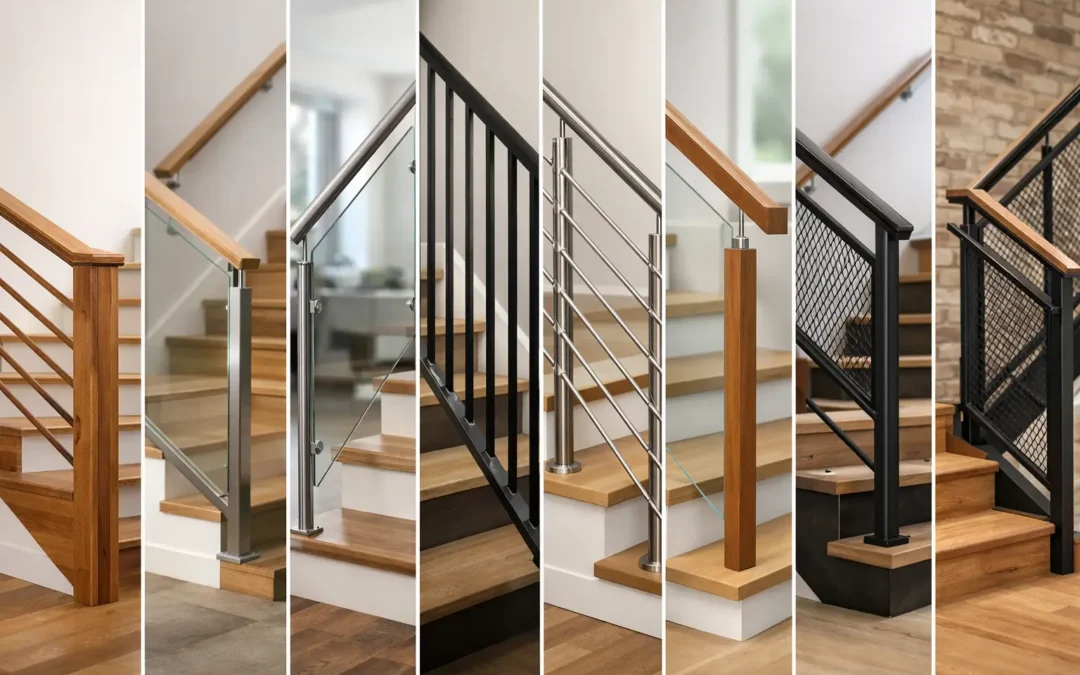
A stair railing usually gets attention for one of two reasons – it looks exceptional, or it feels like an afterthought. In a modern home or commercial space, that difference matters. The best modern stair railing materials do more than frame a staircase. They shape how open the room feels, how much maintenance you will deal with, and how well the finished system holds up over time.
The right choice depends on where the railing is going, how much visual weight you want, and how much performance you need from the material. A sleek interior stair may call for glass and stainless steel. An exterior entry stair may need aluminum or powder-coated metal that can handle weather without constant upkeep. Good design starts with appearance, but the smartest decisions account for safety, code requirements, durability, and installation quality from day one.
What makes the best modern stair railing materials
Modern railing design is often described as clean and minimal, but that does not mean every material performs the same way. Some create a bright, open look. Others add contrast and structure. Some are ideal for interiors but less practical outside. Others are built specifically for demanding exterior conditions.
When clients are choosing railing materials, we usually look at five things first: visual style, long-term durability, maintenance, budget, and how the material works with the stair structure itself. A beautiful concept on paper still needs to be buildable, code-aligned, and properly installed. That is where material selection stops being purely aesthetic and starts becoming a real project decision.
1. Glass
Glass is one of the strongest contenders if your goal is a modern, open look. It allows light to move through the space and keeps the staircase from feeling heavy or closed off. In homes with contemporary interiors, glass railings often make the entire floor plan feel larger.
Tempered or laminated safety glass is commonly used for stair railings, and it can be paired with top rails, base shoes, or minimal metal supports depending on the design. The appeal is obvious: clean sightlines, a premium finish, and a polished architectural look.
The trade-off is maintenance. Glass shows fingerprints, dust, and smudges more than most other materials, especially in busy households or commercial settings. It also needs precise fabrication and installation. Small errors are not easy to hide with glass, which is why detailed measurement, engineered drawings, and professional installation matter so much.
2. Stainless steel
Stainless steel is one of the best modern stair railing materials when you want a crisp, contemporary finish with serious durability behind it. It works especially well in interiors with minimalist design, industrial influences, or mixed-material palettes.
What makes stainless steel appealing is its balance. It looks refined, resists corrosion better than many alternatives, and can be used in everything from slim posts and handrails to cable-style or glass-supported systems. It is a strong choice for both residential and commercial projects where appearance and long-term performance need to work together.
That said, stainless steel is not always the lowest-cost option. It can also show surface marks if it is not finished or maintained properly. For clients who want premium material value and a distinctly modern aesthetic, though, it remains one of the most dependable choices available.
3. Aluminum
Aluminum has become increasingly popular for modern railing systems, especially outdoors. It is lightweight, clean-looking, and naturally resistant to rust, which makes it a practical option for exterior stairs, balconies, and landings.
One of aluminum’s biggest advantages is low maintenance. With the right finish, it stands up well to weather and keeps its appearance with far less upkeep than some traditional metal options. It also adapts well to streamlined profiles, which suits modern architecture.
The main limitation is feel. Aluminum does not always have the same visual heft or handcrafted character as steel or wrought iron. For some projects, that is exactly the point – a lighter, more understated look. For others, especially high-impact custom interiors, clients may want a material with more presence.
4. Wrought iron
Wrought iron is often associated with classic or ornamental railings, but it can be shaped into striking modern forms as well. In the right hands, it becomes a highly versatile material for custom stair railings that need strength, personality, and a more architectural edge.
Modern wrought iron railing designs usually rely on cleaner lines, flatter bar profiles, geometric patterns, or simple verticals rather than decorative scrollwork. The result can feel bold and tailored rather than traditional. It is an excellent choice when you want the railing to contribute visual structure to the space.
The trade-off is maintenance, particularly outdoors. Iron needs proper finishing and protection to perform well over time. It is also heavier than aluminum and may require more substantial planning during fabrication and installation. But if the goal is custom craftsmanship with a modern profile, wrought iron still earns its place on the shortlist.
5. Mild steel with powder coating
Powder-coated steel is a smart option for clients who want the strength and design flexibility of steel with a finish that supports a clean, modern appearance. Black is the most requested color for obvious reasons – it creates sharp contrast, pairs well with wood and glass, and works in almost any contemporary setting.
Steel allows for slim custom profiles, strong structural performance, and highly tailored details. It is especially effective for interior stair railings where custom design is part of the value. In many projects, powder-coated steel delivers the modern look people want without pushing into the higher price range of some specialty metals.
Its success depends on quality fabrication and finishing. If exterior steel is not properly protected, weather can become a problem. For interior applications, however, it is often one of the most balanced choices in terms of cost, design freedom, and durability.
6. Cable infill systems
Cable railing is technically more of a system than a standalone material, but it belongs in this conversation because it is often part of the best modern stair railing materials mix. Usually paired with stainless steel or aluminum framing, cable creates a light, open effect that preserves views while still providing a defined barrier.
This option works especially well in homes with contemporary architecture, loft-style interiors, or exterior spaces where visibility matters. It offers a less reflective and lower-maintenance alternative to glass in some settings.
There are trade-offs. Cable systems need proper tensioning, and not every project suits their appearance. Some clients love the airy look. Others prefer the more solid, finished feel of glass or metal panel systems. It is a style-driven choice that should also be checked carefully against local code requirements.
7. Mixed-material railings
Some of the most successful modern stair railings do not rely on one material alone. Glass with stainless steel, black steel with wood, or aluminum with glass panels can create a more customized result that fits the architecture better than a single-material system.
This is often where good design really starts to feel personal. A wood handrail can soften a steel frame. Glass can make a dark metal structure feel lighter. A black powder-coated railing with minimalist detailing can bring visual definition to an otherwise neutral interior.
Mixed-material systems require coordination. Details need to align, finishes need to complement each other, and the entire assembly needs to be engineered as one coherent railing system. When done well, the result feels intentional rather than pieced together.
How to choose the best modern stair railing materials for your project
The best answer usually comes from the project itself, not from trend lists. For interior spaces where openness is the priority, glass is hard to beat. For exterior installations where weather resistance and low maintenance matter most, aluminum is often a strong fit. For custom architectural impact, steel and wrought iron offer more design control and presence.
Budget matters too, but it should be viewed in relation to lifespan and performance. A lower upfront cost can become less attractive if the material needs more maintenance, refinishing, or replacement later. The same goes for installation. Modern railing systems look simple, but the execution is not. Precise measurements, shop drawings, engineering review when required, and professional installation are what turn a good material into a successful finished result.
That is why many clients benefit from working closely with a fabricator from the beginning. At Iron & Glass Designs, the most successful projects usually start with a clear conversation about style, site conditions, and use, then move into measurements, drawings, approvals, and production with no guesswork left hanging in the middle.
The material matters, but the build matters just as much
A great railing should look effortless once it is installed. Getting there takes more than choosing glass, steel, or aluminum from a list. It takes matching the right material to the right space, then building it with the level of accuracy the design deserves.
If you are planning a new stair or updating an existing one, focus on the material that fits how you live, how you want the space to feel, and how much performance you expect over the years ahead. The best modern railing is not just the one that photographs well. It is the one that still feels right every time you put your hand on it.