
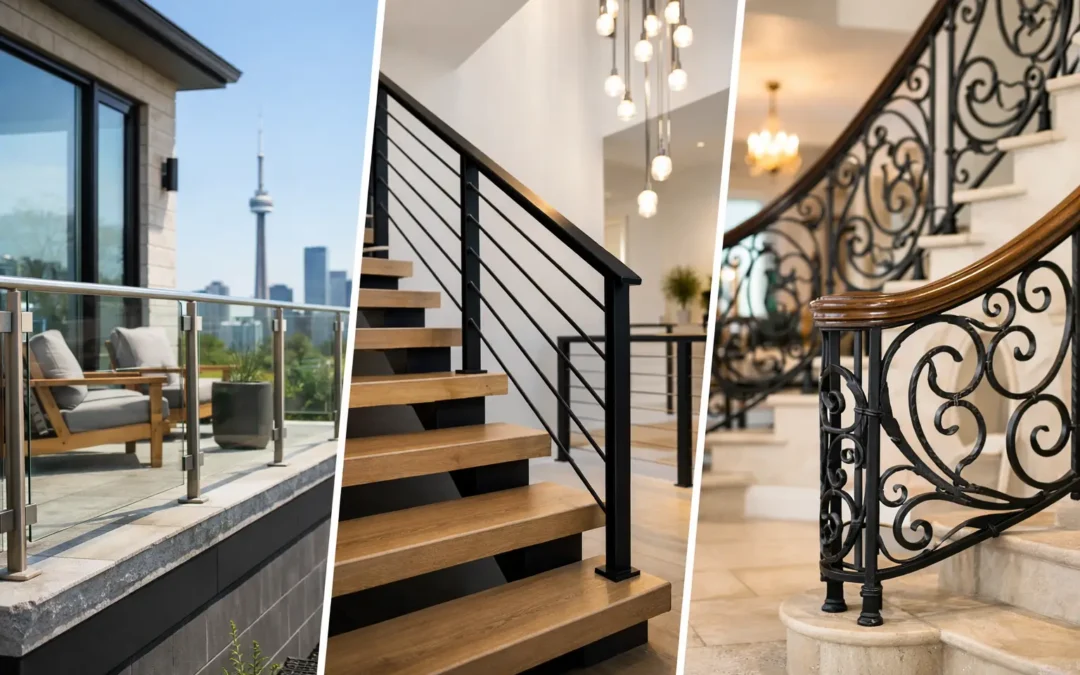
A railing can change the way a whole property feels. A dated stair with heavy pickets can make an otherwise clean renovation feel unfinished. A balcony with the wrong profile can block views, collect maintenance issues, or create permit headaches later. That is why homeowners, builders, and property investors looking at custom railings in Toronto are usually solving more than one problem at once – safety, appearance, durability, and a smooth path from idea to installation.
The right railing is not just a product pulled off a shelf. It needs to suit the architecture, the traffic the space will handle, and the rules that apply to the project. In a city where modern infills sit beside older homes, and commercial spaces often need a polished look without compromising compliance, custom work tends to make more sense than trying to force a standard option into a non-standard space.
Why custom railings in Toronto are worth it
Toronto projects rarely come with perfect, predictable conditions. Floors shift. Stair openings vary. Exterior exposure changes from one property to the next. Even in a new build, details on site often need to be reconciled with what was originally planned. Custom railings allow those realities to be addressed properly instead of hidden with shortcuts.
There is also the design side. Many clients want a railing that feels integrated with the property rather than added as an afterthought. Glass can open up a narrow interior staircase and bring more light through the space. Wrought iron can add architectural character to a front entry. Stainless steel and aluminum often appeal to owners who want a crisp, contemporary look with lower maintenance. The best result comes from matching the system to the space, not from pushing one material everywhere.
Cost is part of the conversation too. Custom does not always mean excessive. It often means spending in the right places. A well-designed railing built for the exact site can reduce rework, fit cleanly, and hold up better over time. That matters when you are upgrading a primary residence, preparing a property for resale, or managing a commercial project where delays cost money.
Choosing the right railing system for the space
Glass railings for openness and modern lines
Glass railings are popular for a reason. They make interiors feel larger, preserve sightlines, and work especially well on staircases, balconies, and terraces where the view is part of the value. In a modern home, they can create a clean visual flow from one level to the next.
That said, glass is not one single look. The hardware, top rail profile, frame choice, and surrounding finishes all affect the final appearance. Some clients want a minimal system with as little visual interruption as possible. Others prefer the reassurance and style of a defined handrail. The right answer depends on the architecture and how the space will be used.
Aluminum railings for exterior durability
Aluminum performs well outdoors and fits both modern and more traditional exteriors, depending on the profile. It is a strong choice for porches, decks, and front steps where weather resistance and low upkeep matter. For many property owners, that balance is the appeal – it looks sharp without asking for constant maintenance.
Design still matters here. A railing that is technically durable but visually too bulky can make the entrance feel smaller. A slimmer, well-proportioned aluminum system can give the property a cleaner, more intentional finish.
Stainless steel and wrought iron for strength and character
Stainless steel tends to suit commercial properties, luxury residential interiors, and exterior applications where a polished, architectural finish is the goal. Wrought iron, by contrast, can move either classic or contemporary depending on how it is fabricated. Simple lines feel modern. Scrolls and custom detailing bring a more traditional presence.
This is one of those areas where custom fabrication really shows its value. Small choices in spacing, profile, and finish can completely change the tone of the finished project.
What separates a strong railing project from a risky one
A good-looking railing is only part of the job. It also needs to be measured correctly, designed for the actual site conditions, and installed in a way that feels precise and secure. That is where many projects go wrong. The issue is not always the material. It is often the process.
For custom work, the strongest projects usually follow a disciplined path. It starts with a site visit and accurate measurements. Then comes project-specific drawings so everyone can review what is being built before fabrication begins. On projects that require it, engineering review and stamped drawings add another layer of confidence. That structure helps prevent costly misunderstandings and gives the client a much clearer sense of what the final result will be.
Working closely with clients at this stage matters. A drawing can confirm dimensions, but conversation is what reveals priorities. One homeowner may care most about preserving natural light. Another may want added privacy on a side stair. A contractor may need a railing system that aligns with a larger construction schedule and permit process. The more clearly those goals are addressed upfront, the better the build goes.
Design, code, and buildability all have to work together
One of the biggest misconceptions about railing projects is that if something looks good on a reference photo, it will work exactly the same way on another property. In practice, design intent, local code requirements, and structural realities all need to align.
That is especially true with stairs, guards, and elevated exterior spaces. Heights, spacing, attachment details, and handrail requirements are not decorative choices. They are part of making the system safe and compliant. This is why engineered review can be such an important part of the process for many residential and commercial jobs. It protects the project from the kind of improvisation that leads to problems later.
Buildability matters just as much. A beautiful concept only has value if it can be fabricated accurately and installed on time. Experienced railing teams think about finish durability, substrate conditions, tolerances, and how the final assembly will come together on site. That practical discipline is what turns a good design into a result that actually performs.
What property owners should ask before moving forward
If you are comparing providers for custom railings in Toronto, ask how they handle the full process, not just the fabrication. Do they measure on site? Do they provide detailed drawings for approval? Can they coordinate engineering review when needed? Do they install with their own team or outsource the last step?
Those questions tell you a lot about how controlled the project will be. They also help you understand whether the company is treating the job like a custom build or just quoting a material package.
It is also worth asking about timelines and finish options early. Powder-coated aluminum, clear glass, textured black iron, brushed stainless steel – each choice has its own lead time, maintenance profile, and visual impact. There is no universal best option. There is only the right fit for the property, budget, and intended use.
For clients who want a premium result without unnecessary uncertainty, a full-service partner tends to make the difference. Iron & Glass Designs approaches railing work that way – from site measurement and drawings through engineering review, fabrication, and installation – so the process stays clear and the final product reflects both the design vision and the practical demands of the space.
The finish should feel effortless, even when the work is not
The best custom railing projects often look simple when they are done. The lines are clean. The fit is precise. The railing feels like it was always meant to be there. That finish is rarely accidental. It usually comes from careful planning, material knowledge, and a team that knows how to move from concept to completed installation without losing control of the details.
Whether you are updating an interior staircase, adding a balcony guard, or specifying railings for a larger residential or commercial build, custom work gives you room to solve the project properly. It lets safety and style work together instead of competing. And when that process is handled with professionalism from the first measurement to the final install, the result does more than complete the space – it gives the whole property a stronger finish.