
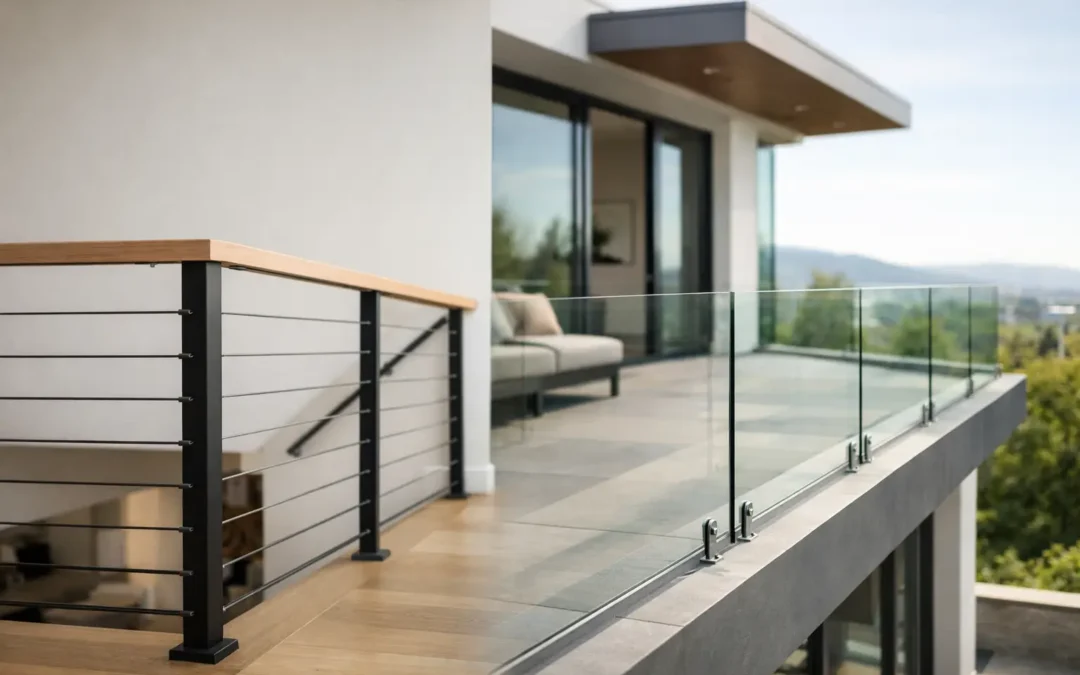
A railing can make a brand-new space look finished, or make a beautiful renovation feel slightly off. That is why choosing the best railing designs for modern homes is rarely just about safety code or filling an opening. The right railing shapes how light moves, how open a stairway feels, and how polished the entire property looks from the moment you walk in.
For most homeowners, the challenge is not finding a railing style they like. It is choosing one that fits the architecture, performs well over time, and can actually be built and installed properly. Modern railings look simple on the surface, but the best results come from careful measurements, material knowledge, and a design process that balances appearance with function.
What makes the best railing designs for modern homes?
The strongest modern railing designs usually share a few qualities. They have clean lines, minimal visual clutter, durable materials, and proportions that suit the scale of the home. They also feel intentional. A railing should not look like an afterthought added late in the project. It should connect with the flooring, windows, trim, exterior finishes, and overall geometry of the space.
That does not mean every modern home needs the same solution. A downtown townhouse, a custom detached home, and a multi-unit investment property may all call for very different railing systems. Some clients want maximum transparency. Others want a stronger architectural statement. In many cases, the best option depends on where the railing is located and how the space is used every day.
Glass railings for a bright, open look
Glass remains one of the most requested options in modern residential design, and for good reason. It creates a clean visual line, lets natural light travel freely, and works well with almost any contemporary palette. On interior stairs, balconies, and landings, glass helps a space feel larger and more connected. On exterior decks and terraces, it preserves views instead of blocking them.
The appeal is obvious, but glass is not one-size-fits-all. Framed systems can add a bit more structure and definition, while frameless or minimally framed systems create a more floating effect. The choice depends on the look you want and the performance requirements of the space. Homes with dramatic sightlines often benefit from larger glass panels and low-profile hardware, while busier elevations may need a more anchored design.
There are trade-offs to consider. Glass requires regular cleaning to keep its crisp look, especially in high-touch interior areas or exterior locations exposed to rain and dust. That said, many homeowners decide the openness and upscale finish are worth the maintenance. When the detailing is right, glass delivers a modern result that feels custom rather than generic.
Metal railings that bring structure and contrast
For homeowners who want a sharper architectural edge, metal railings are often the better fit. Aluminum, stainless steel, and wrought iron each offer a different personality, even when the design language stays modern.
Aluminum is a practical favorite for exterior applications because it is lightweight, durable, and low-maintenance. It works especially well for porches, balconies, and exterior stairs where weather resistance matters. In modern homes, aluminum railings are often designed with slim horizontal or vertical members and a powder-coated finish that keeps the look clean and consistent.
Stainless steel has a more refined industrial feel. It pairs naturally with glass, stone, and concrete, which makes it a strong option for homes that lean minimalist. The finish tends to feel precise and architectural, and it performs well in spaces where durability and a polished appearance matter equally.
Wrought iron, when designed with restraint, can also suit modern homes surprisingly well. The key is avoiding overly decorative patterns. Simple custom iron pickets, flat bars, and geometric layouts can create a strong visual feature without pushing the space into a traditional style. This is often the right move for homeowners who want warmth and craftsmanship, but still want a contemporary result.
Horizontal vs. vertical railing styles
One of the biggest design decisions is the direction of the lines. Horizontal railings tend to feel more modern at first glance because they emphasize width and create a sleek, linear appearance. They work especially well on exterior elevations and open staircases where you want a strong architectural statement.
Vertical railings, however, still have a major place in modern design. They can feel cleaner, taller, and more disciplined, particularly in homes with high ceilings or narrow stair runs. Vertical layouts also make it easier to keep the look understated. If horizontal lines feel too dominant in a smaller space, a vertical pattern may create a better balance.
This is where customization matters. The spacing, thickness, and frame profile all influence whether a railing feels premium or generic. Two railings can use the same basic direction of lines and still produce completely different results depending on the detailing.
Best railing designs for modern homes inside the house
Interior railings have a bigger visual impact than many homeowners expect because they are often seen up close, every day. In an entryway, staircase, or second-floor overlook, the railing becomes part of the interior architecture. That is why the best interior solutions do more than meet safety requirements. They make the room feel finished.
For bright, open interiors, glass railings are often the leading choice. They keep attention on flooring, millwork, lighting, and views rather than introducing visual weight. If the home has a modern floating stair, glass can be the difference between a stairway that feels sculptural and one that feels heavy.
In homes that need more contrast, black metal railings remain a strong option. A matte black finish can frame a stair beautifully and connect with window systems, door hardware, or kitchen accents. This style works particularly well in modern homes that mix white surfaces with natural wood tones.
Wall-mounted interior handrails also deserve more attention than they usually get. A simple custom metal handrail can elevate a stairwell without crowding it. When proportions are right, even a minimal handrail adds a sense of quality and continuity.
Exterior railings need more than style
Outdoor railing design should always be judged by two standards: how it looks and how it holds up. Exterior systems deal with weather, temperature shifts, moisture, and heavy use. A railing that looks excellent on day one but ages poorly is not a smart investment.
Glass can be beautiful outdoors, especially around balconies, decks, and raised patios, but exposure matters. In some settings, aluminum or stainless steel may be the more practical choice for easier maintenance and long-term performance. Powder-coated finishes, proper anchoring, and thoughtful drainage details all make a difference.
Exterior stairs also require extra planning because they combine safety, structure, and curb appeal. A custom exterior stair and railing system should feel integrated with the home, not attached as a separate element. That is where a measured, engineered approach pays off. Precision in fabrication and installation is what keeps clean lines looking clean once the system is in place.
Why custom railings outperform off-the-shelf options
Modern homes are less forgiving than traditional ones when details are off. A stock railing might technically fit, but if the proportions are awkward, the fasteners are too visible, or the transitions are clumsy, the entire space can feel less resolved.
Custom railings solve that problem by responding to the exact conditions of the project. Site measurements, project-specific drawings, and engineering review help ensure the final result is not only attractive but buildable and code-aligned. That matters for homeowners, and it matters even more for investors, builders, and contractors who need the process to stay controlled from quote to installation.
This is where a full-service fabricator brings real value. Iron & Glass Designs works closely with clients to move from concept to approved drawings, production, and final installation, so the finished railing looks right and performs the way it should.
How to choose the right design for your property
Start with the architecture of the home, not just the railing photos you like. A great railing should reinforce the property’s design language. Next, think about visibility. Do you want the railing to disappear, frame the space, or become a feature on its own? Then consider maintenance honestly. The best choice is not just the one that looks good in a showroom, but the one you will still be happy with after years of use.
It also helps to think in terms of process. The best results come from a workflow that includes proper measurement, design drawings, approvals, and professional installation. That reduces surprises and helps ensure the final product matches both the vision and the site conditions.
A modern railing should do more than guard an edge. It should sharpen the architecture, support daily life, and make the finished space feel intentional. When those pieces come together, the railing stops being a small detail and becomes one of the smartest upgrades in the home.