
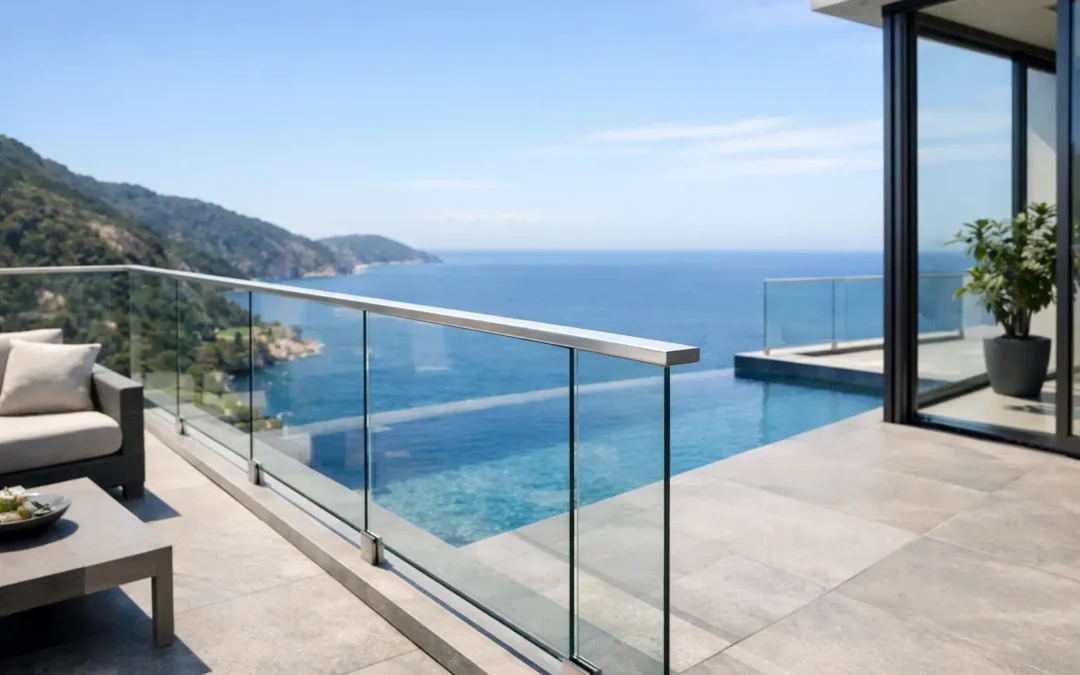
If you are planning a staircase, balcony, terrace, or raised landing, glass railing design trends 2026 point in one clear direction: cleaner sightlines, stronger materials, and more custom detailing that still feels restrained. Clients are asking for modern railing systems that do more than look impressive in photos. They want safety, durability, code-aligned engineering, and a finished result that makes the entire property feel brighter, more open, and more valuable.
That shift matters because glass railings are no longer treated as a niche luxury feature. They have become a practical design choice for homeowners upgrading older interiors, builders finishing new custom homes, and commercial property owners who want a polished, contemporary edge. The best projects in 2026 are not chasing novelty. They are combining minimalist aesthetics with buildable details, dependable hardware, and a professional installation process.
What is shaping glass railing design trends 2026
The biggest influence is not just style. It is the overlap between architecture, lifestyle, and construction discipline. Open-concept interiors continue to drive demand for railings that preserve natural light and uninterrupted views. At the same time, exterior applications need to handle weather exposure, structural movement, and long-term maintenance without losing their visual appeal.
That is why the strongest designs are balancing appearance with execution. A beautiful glass system only works when measurements are exact, mounting conditions are properly reviewed, and the final layout fits the structure it is attached to. In 2026, clients are paying closer attention to the full process, from site measurement and drawings to engineering review and final installation.
Minimal framing is still leading
Slimmer profiles remain the dominant look, but the trend has matured. A few years ago, many projects aimed for a dramatic all-glass appearance at any cost. Now the preference is more refined. Homeowners and contractors still want minimal hardware, yet they also want systems that feel intentional, durable, and appropriate for the setting.
For interior stairs, that often means low-profile base shoes, discreet clamps, or carefully integrated top rails where required. For balconies and exterior landings, the same minimalist goal applies, but with more attention to weather resistance and structural support. The result is a cleaner system that does not fight with flooring, stair finishes, or surrounding metalwork.
This is one of those areas where it depends on the project. Frameless or near-frameless looks can be stunning, but the right choice comes down to span, exposure, code requirements, and how the structure is built. Good design in 2026 is less about making the hardware disappear completely and more about making every visible component feel precise.
Warmer modern design is replacing cold minimalism
Glass railings are still a modern favorite, but the mood is changing. Crisp black, stainless steel, and clear glass remain popular, yet they are increasingly being paired with warmer finishes and softer architectural elements. Natural wood treads, textured stone, light oak flooring, and matte metal details are helping glass railings feel less stark and more livable.
This trend is especially strong in residential renovations. Homeowners want openness, but not a space that feels too sharp or commercial. A clear glass railing with black metal posts or a slim black handrail can deliver contrast while still working with warm interiors. On the exterior, powder-coated aluminum and stainless components are often selected to complement modern facades without creating visual clutter.
The takeaway is simple: 2026 favors balance. Glass is being used to open up a space, while surrounding materials bring character and comfort.
Custom integration matters more than off-the-shelf looks
One of the most noticeable shifts in glass railing design trends 2026 is the move away from generic systems. Clients are more design-aware, and they can spot when a railing looks like an afterthought. They want details that align with the architecture of the property, whether that means matching metal finishes, coordinating with stair geometry, or adapting the railing layout to unusual conditions.
This is where custom fabrication has a real advantage. A site-specific design can account for floor transitions, landing depths, corner conditions, and attachment points before production begins. It also gives clients more control over the final look. The railing feels built for the space, not simply added to it.
That customization is just as valuable for commercial work. Builders and property owners often need systems that satisfy performance requirements while preserving a clean visual standard across multiple units or public-facing areas. Precision drawings and engineered review help prevent the compromises that happen when a design is forced to fit conditions it was never meant for.
Exterior glass railings are getting more performance-driven
Exterior applications continue to grow, but expectations are higher now. Homeowners want backyard decks, front entries, porches, and elevated terraces to look elegant year-round. Commercial clients want the same visual clarity while reducing maintenance headaches over time.
That is pushing design decisions toward better hardware selection, stronger corrosion resistance, and smarter water management. In practical terms, the trend is not just clear glass on an outdoor edge. It is clear glass paired with materials and mounting methods that can handle freeze-thaw cycles, moisture, and ongoing exposure.
This is where a professional process really changes the outcome. Exterior railings need more than a good rendering. They need proper field measurement, job-specific drawings, and installation methods that suit the structure below. When those steps are handled carefully, the finished railing holds its clean look longer and performs the way it should.
Glass is being used to make smaller spaces feel bigger
Not every project involves a dramatic staircase or a large luxury balcony. In fact, one of the smartest uses of glass railings in 2026 is in tighter spaces where visual openness matters most. Compact stairwells, narrow landings, and secondary interior levels can all benefit from a railing that preserves light and reduces visual weight.
For homeowners renovating older properties, this can be one of the most effective upgrades in the entire house. Replacing a bulky traditional railing with glass often changes how the whole area feels. Sightlines open up, daylight moves farther into the home, and the finished space feels more current without needing a full structural redesign.
That same principle applies to commercial interiors. Offices, mixed-use buildings, and showrooms often use glass railings to create a more open impression while still defining circulation and meeting safety requirements.
Code compliance is part of the design conversation
In 2026, good-looking railings are expected. What separates a strong project from a risky one is how early compliance and engineering are addressed. Clients are more informed now, and they want assurance that the system has been designed for real-world conditions, not just visual impact.
That does not mean every conversation needs to get buried in technical language. It means the process should be clear. Measurements should be accurate. Drawings should reflect the actual site. Approvals should happen before production. And when engineering review or stamped drawings are required, they should be part of the workflow, not a last-minute scramble.
For homeowners, this reduces uncertainty. For contractors and commercial clients, it helps keep projects moving. A railing company that can translate design ideas into buildable, code-aligned systems adds value long before installation day.
Mixed-material railings are becoming more intentional
Another strong direction for 2026 is the combination of glass with metal elements that add definition without overpowering the design. Black steel, stainless steel, and aluminum are being used more selectively, often as thin frames, posts, or handrails that sharpen the lines of the system.
The key is restraint. Heavy ornamental detailing is not leading the category, but neither is a one-note all-glass approach for every setting. In many projects, a mixed-material solution gives clients the best of both worlds: openness from the glass and character from the metalwork.
This is especially effective when the railing ties into other custom features such as gates, stair stringers, canopies, or architectural accents. When those details are coordinated, the property feels more complete.
What clients should prioritize before choosing a design
A trend should never be the only reason to choose a railing system. The smarter question is whether the design fits the property, the use case, and the long-term expectations for the space. A beautiful interior stair railing may not be the right answer for an exposed exterior terrace. A minimal system may look ideal in concept but require different detailing once site conditions are reviewed.
That is why the best projects start with a conversation, then move into measured planning. A professional team should be able to explain the options, produce drawings that make the design easy to evaluate, and guide the client toward a result that is both attractive and dependable. At Iron & Glass Designs, that blend of craftsmanship and process is what helps ideas become real, buildable features rather than expensive guesses.
The most enduring glass railing designs in 2026 will not be the ones chasing the boldest trend. They will be the ones that feel clear, well-proportioned, and properly built for the way the space is actually used.