
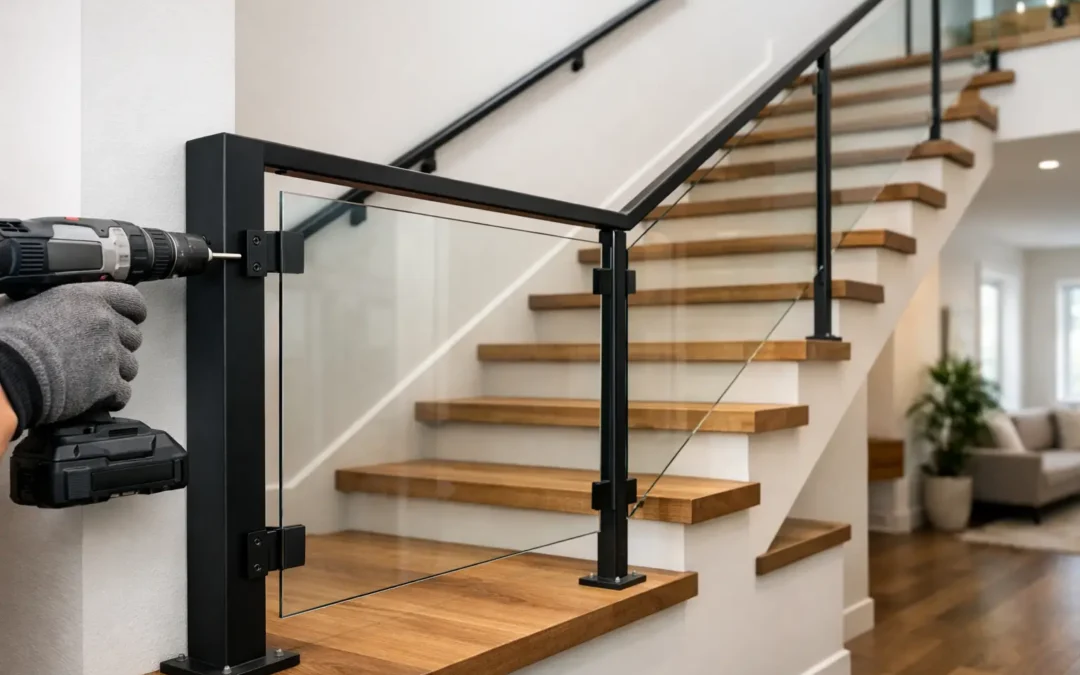
A staircase guard can make or break the look of a home. When it is oversized, loosely fitted, or designed as an afterthought, even a beautiful stair run feels unfinished. A strong example custom staircase guard installation shows the opposite – clean lines, secure attachment, code-aligned spacing, and a finish that looks like it always belonged in the space.
For homeowners and property investors, that difference matters more than most people expect. A staircase guard is not just a safety requirement. It is a highly visible architectural feature that affects how open a foyer feels, how modern an interior reads, and how confident you feel about the quality of the build. When the guard is custom designed and professionally installed, it does more than protect the edge of a stair. It elevates the entire project.
What this example custom staircase guard installation really shows
In a typical custom project, the goal is never to force a standard panel into a nonstandard space. Every staircase has its own geometry, transitions, landing conditions, wall interfaces, and finish details. That is why a proper example custom staircase guard installation starts with the stair itself, not with a catalog part.
Imagine an interior stair in a renovated Mississauga home with open risers, white oak treads, and a double-height entry. The client wants a modern look with better light flow, but also needs a guard system that feels solid and refined. In that setting, a framed or frameless glass guard, or a slim-profile metal guard with custom pickets, can work beautifully. The right answer depends on the architecture, the family using the space, and the level of maintenance the client is comfortable with.
This is where custom fabrication has a clear advantage. Instead of compromising at the landing, using filler pieces, or accepting awkward transitions, the guard is designed around the exact stair pitch, finished floor heights, and surrounding materials. The result is not just cleaner. It is safer, more durable, and visually consistent.
Why custom installation matters more than product alone
A premium material does not guarantee a premium result. Glass can look stunning, but if the base alignment is off by even a small amount, the finished installation will show it. Metal guards can feel substantial and elegant, but poor weld quality, inconsistent spacing, or rushed anchoring quickly undermine the design.
The installation process is where design intent becomes reality. That includes accurate field measurement, detailed drawings, approval before fabrication, and attachment methods that suit the substrate. A wood-framed stair, concrete landing, and tiled floor all require different planning. The guard has to work with the structure underneath, not just the surface finish visible from the room.
This is also where engineering review becomes important. In many residential and commercial settings, staircase guards are subject to code and load requirements that cannot be guessed at on site. A disciplined process with reviewed and stamped drawings adds clarity before production begins. It reduces surprises, supports permitting where needed, and gives the property owner more confidence in the outcome.
The process behind a professional staircase guard project
The best custom projects feel controlled from the start. Rather than moving straight to fabrication, a professional team begins with a site visit and careful measurement. This step is more than taking dimensions. It is where stair rise and run, landing edges, wall conditions, floor transitions, and finish tolerances are documented.
From there, job-specific drawings are developed. These drawings help the client see proportion, post placement, glass sizing, hardware locations, and overall style before anything is built. This stage matters because small decisions have a major impact. A post moved a few inches can change sightlines. A top rail profile can shift the design from heavy to minimalist. Glass height, edge treatment, and connection details all affect the final character of the space.
Once the design is approved, the technical side takes over. Engineering review, where required, confirms that the system is suitable for the application. Then fabrication begins using the selected materials and finishes. That may include powder-coated aluminum, stainless steel, wrought iron, or tempered glass, depending on the project.
Installation is the final proof of the process. On site, precision matters. Components should arrive prepared for the exact conditions they were designed for. The fit should be clean, the anchor points intentional, and the finished lines consistent from the bottom tread to the upper landing. For the client, this is the moment when sketches and selections become something tangible.
Material choices in an example custom staircase guard installation
Not every staircase calls for the same solution. Glass is often the first choice for homeowners who want a lighter, more open interior. It works especially well in foyers, contemporary renovations, and spaces where natural light is a major asset. The trade-off is that glass shows fingerprints and needs regular cleaning to maintain its crisp look.
Metal guards offer more visual structure and can lean modern or classic depending on the profile. Slim black steel or aluminum creates a sharp architectural outline that pairs well with wood treads and neutral interiors. Wrought iron introduces more character and can feel richer in traditional homes, but it needs the right detailing to avoid looking dated.
In some projects, the strongest answer is a hybrid system. Glass with a custom metal cap rail, for example, can balance openness with tactile comfort. This approach often gives clients the best of both worlds – modern appearance and practical day-to-day use.
What clients should expect from the finished result
A successful staircase guard should feel quiet in the best way. Nothing rattles. Nothing looks forced. The lines follow the stair naturally, transitions at landings make sense, and the finish complements nearby flooring, trim, and wall treatments.
Clients also notice the less visible parts of good work. The spacing feels intentional. The fastening looks neat. The guard feels secure when touched. These details build trust because they show that the project was not just designed well, but executed with discipline.
For resale-minded property owners, this matters too. Staircases are focal points. Buyers notice them quickly, and so do tenants, guests, and commercial visitors. A custom guard can help a space feel more updated, more finished, and more valuable without changing the entire floor plan.
Common mistakes this kind of project avoids
A well-managed example custom staircase guard installation avoids the problems that often appear in rushed jobs. One of the biggest is treating measurement as simple when it rarely is. Finished stairs can vary enough that a guard built from rough dimensions ends up needing site modifications, fillers, or visible adjustments.
Another mistake is choosing style before function. A client may prefer a very minimal look, but if the stair layout, user needs, or code conditions require a different approach, forcing the design usually creates compromise. The best custom work respects the aesthetic goal while solving the practical reality of the stair.
There is also the issue of fragmented responsibility. When design, fabrication, and installation are handled separately, miscommunication is common. A full-service approach is often more reliable because the same team carries the project from measurement through final fit. That continuity leads to better accountability and a smoother experience for the client.
A staircase guard is a design decision and a safety decision
That is why homeowners should treat it as part of the architecture, not a finishing accessory. The right guard system supports everyday safety, satisfies project requirements, and contributes to the overall design language of the home or building. It should look intentional because it was intentional.
For clients who want a cleaner modern aesthetic without taking risks on fit, compliance, or durability, custom work is usually the smarter investment. It gives you a system built for your exact space, reviewed before production, and installed to match the promise made on paper. Companies such as Iron & Glass Designs build trust through that process – by working closely with clients, translating ideas into approved drawings, and delivering the kind of final installation that looks precise because it is.
If you are planning a stair renovation or finishing a new build, look at the guard with the same seriousness you give the staircase itself. The right one does not just protect the edge. It changes how the whole space is experienced.