
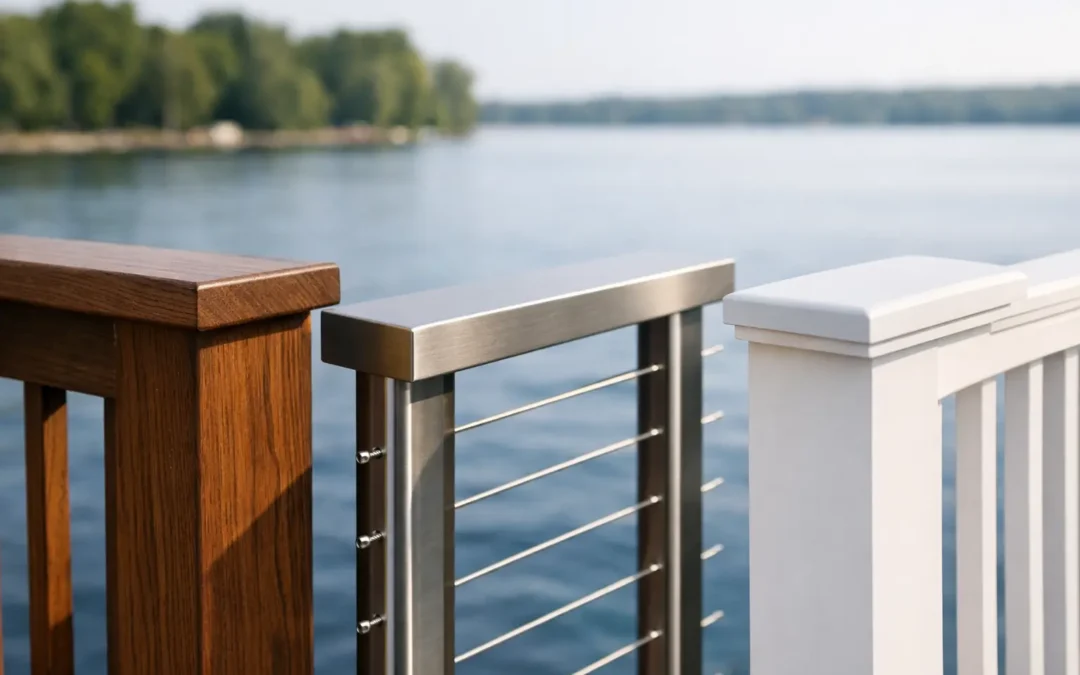
A railing can look perfect on installation day and still become the wrong choice five winters later. That is usually the real question behind what railing material lasts longest – not which option looks best in a showroom, but which one keeps its strength, finish, and clean appearance with the least trouble over time.
For most residential and commercial projects, the longest-lasting railing material is stainless steel. It offers the best balance of structural durability, corrosion resistance, and low maintenance, especially when the system is properly designed and installed. That said, aluminum also performs exceptionally well, glass can last for decades as part of the right system, and wrought iron remains a strong option when clients are willing to commit to maintenance. The best answer depends on where the railing is installed, how much weather it faces, and how much upkeep you want to take on.
What railing material lasts longest in real-world conditions?
If the goal is maximum lifespan with minimal ongoing maintenance, stainless steel usually leads the field. It resists rust better than traditional steel, handles moisture well, and maintains a clean, modern appearance for years. In exterior applications, especially around stairs, balconies, and commercial entries, that combination matters.
Longevity is not just about the base material. Fabrication quality, finish, drainage, fastening details, and installation all affect how long a railing lasts. A well-engineered aluminum or stainless steel system will often outlast a poorly designed railing made from a more expensive material. That is why the material decision should never be separated from the build process.
Stainless steel: the strongest long-term performer
Stainless steel is often the top answer to what railing material lasts longest because it performs well under pressure from both weather and daily use. It is strong, stable, and far less vulnerable to corrosion than standard painted steel. For properties that need a premium look without constant refinishing, it is hard to beat.
This material is especially attractive for modern homes and commercial spaces because it pairs durability with a refined finish. It works well with glass infill, minimalist handrails, and contemporary stair systems. It also holds up to heavy traffic better than many lighter materials.
The trade-off is cost. Stainless steel usually comes with a higher upfront investment than aluminum or standard steel. But when clients want a railing that can stay sharp for years without becoming a maintenance project, that higher initial cost often makes financial sense.
Where stainless steel performs best
Stainless steel is a strong fit for exterior stairs, balconies, terraces, and interior staircases where a clean architectural look matters. It is also a smart option for commercial properties that need durability and a polished presentation at the same time.
In harsher environments, material grade matters. Not all stainless steel performs equally, and choosing the right specification is part of building a system that truly lasts.
Aluminum: excellent durability with very low maintenance
If stainless steel is the premium durability choice, aluminum is the practical favorite. It does not rust, it is lightweight, and it stands up very well in outdoor conditions. For many homeowners, aluminum offers the best long-term value because it combines durability, affordability, and easy maintenance.
Powder-coated aluminum railings are especially popular for porches, decks, and exterior stairs. The finish helps protect the surface while offering a wide range of design options, from classic picket styles to more modern profiles. When properly fabricated and installed, aluminum railings can last for decades.
Aluminum is not as inherently rigid or heavy as stainless steel or wrought iron, so the design of the railing matters. On larger spans or projects that demand a substantial visual presence, it may not deliver the same feel. But for many residential applications, it is more than durable enough and much easier to live with over time.
Glass railings: long lifespan, but only as part of the right system
People often assume glass is fragile, but architectural railing glass is built for strength. Tempered and laminated glass panels can last for decades without losing clarity or structural reliability when they are part of a properly engineered system.
The key point is that glass does not function alone. Its longevity depends on the supporting hardware, channel, posts, anchors, and installation details. A glass railing system with high-quality aluminum or stainless steel components can perform extremely well over time, both indoors and outdoors.
From a maintenance standpoint, glass does not rust or rot, but it does show dirt, water spots, and fingerprints more than metal pickets. That is not a durability problem, but it is part of the ownership experience. Clients who want uninterrupted views and a modern finish usually consider the cleaning worthwhile.
For balconies, staircases, and pool surrounds, glass can be one of the most durable and visually impressive choices available, provided the full system is designed correctly from the start.
Wrought iron and steel: beautiful, strong, but more maintenance-heavy
Wrought iron and other steel railings have a timeless appeal. They offer strength, custom detailing, and a level of craftsmanship that can completely change the character of a property. For interior railings, they can last an extremely long time with very little concern.
Outdoors, the picture changes. Iron and standard steel are vulnerable to rust if the finish is compromised. Moisture, snow, salt, and temperature swings all work against them. That does not mean they are short-lived. It means they need active maintenance to stay that way.
A well-made exterior iron railing with proper coating and periodic refinishing can serve for many years. But if the question is purely what railing material lasts longest with the least owner involvement, wrought iron falls behind stainless steel and aluminum. It rewards clients who value custom metalwork and are prepared to maintain it.
The environment matters as much as the material
A railing installed inside a dry foyer lives a very different life from one exposed to freezing rain, de-icing salt, and direct sun. That is why the longest-lasting material on one project may not be the best choice on another.
For exterior applications in colder climates, corrosion resistance becomes critical. Moisture gets into joints, salts attack finishes, and freeze-thaw cycles expose weak detailing quickly. Stainless steel and aluminum usually perform best here because they are naturally more resistant to these conditions.
For interiors, the decision can lean more heavily on aesthetics. Iron, stainless steel, glass, and aluminum can all last a very long time indoors because they are not fighting weather every day. In those spaces, design goals and traffic levels often drive the decision more than raw environmental durability.
What actually shortens a railing’s life?
Material gets most of the attention, but failure often starts somewhere else. Poor site measurement, weak anchoring, bad welds, low-grade fasteners, trapped water, and shortcuts during installation can all reduce a railing’s lifespan.
That is why project execution matters. A custom railing should not be treated like a generic off-the-shelf part. Accurate field measurements, job-specific drawings, code alignment, and proper engineering review all help ensure the system performs as intended for the long run. At Iron & Glass Designs, that disciplined process is part of how a railing goes from a design idea to a durable finished installation.
So, which material should you choose?
If you want the shortest answer to what railing material lasts longest, choose stainless steel for top-tier durability and long-term performance. Choose aluminum if you want excellent lifespan, lower maintenance, and strong value. Choose glass when your priority is a modern, open look and you are investing in a high-quality supporting system. Choose wrought iron when craftsmanship and character matter most and you are comfortable with ongoing maintenance.
For many property owners, the right choice is not the material with the longest theoretical life. It is the material that matches the project, the architecture, the exposure, and the level of maintenance you are realistically willing to handle. A railing should still look right years after installation, not just pass the first impression test.
The best place to start is with the conditions on your property and the result you want to live with every day. When the material, design, and installation process all line up, that is when durability stops being a guess and becomes part of the build.