
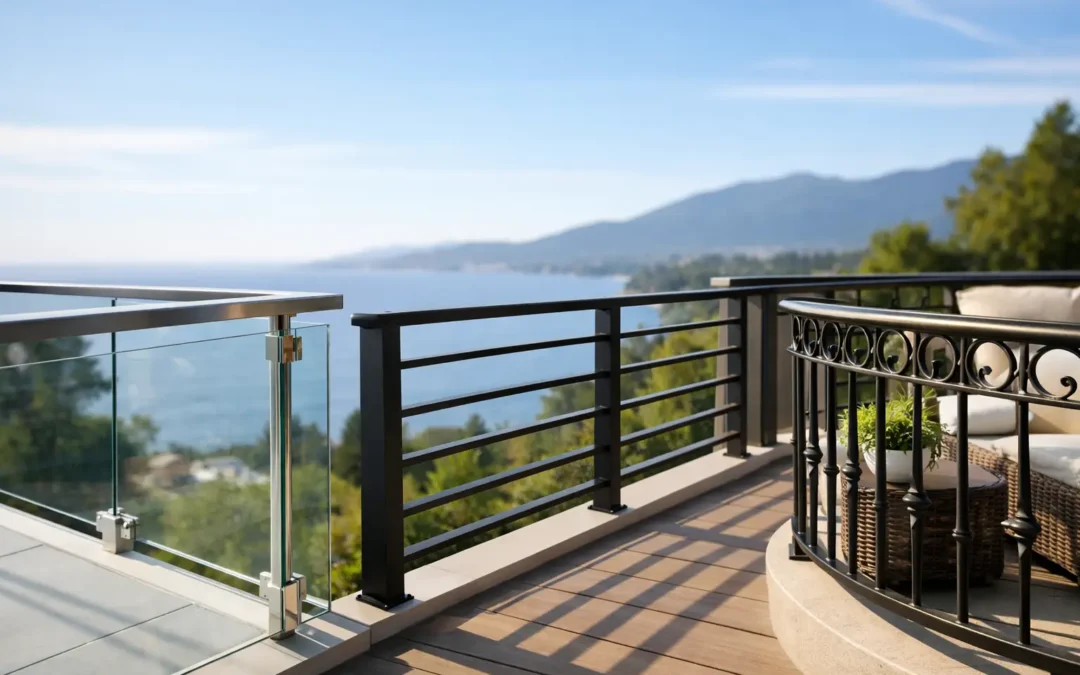
A balcony can change the entire feel of a property. The right railing does more than close off an edge – it shapes the view, sharpens the architecture, and adds the kind of finished look people notice right away. This guide to balcony railing design is built for homeowners, property investors, and project teams who want a result that looks refined, performs well outdoors, and holds up over time.
The challenge is that balcony railings sit at the intersection of design, safety, engineering, and installation. A style that looks perfect in a photo may not suit your building exposure, your maintenance expectations, or your local code requirements. Good decisions come from balancing all four.
What a good balcony railing design needs to do
At the surface level, most people start with appearance. They want something modern, clean, and aligned with the property. That instinct is right, but appearance should never be treated as a separate layer added at the end. The best balcony railing designs are the ones where the visual concept and the build strategy work together from the beginning.
A well-designed railing should feel proportional to the building, protect views where possible, and complement nearby materials like stone, stucco, brick, wood, or aluminum cladding. It also needs to perform in real outdoor conditions. Sun exposure, freeze-thaw cycles, wind, moisture, and regular use all affect which materials make the most sense.
Then there is compliance. Balcony railings are safety systems, not decorative accessories. Height, spacing, load requirements, and attachment details matter. On many projects, drawings and engineering review are not a formality – they are part of making sure the finished installation is safe, code-aligned, and ready for approval.
A guide to balcony railing design by material
Material selection usually drives both the look and the long-term experience of the railing. There is no single best option for every project. The right choice depends on the architecture, budget, maintenance tolerance, and how open or solid you want the railing to feel.
Glass railings
Glass is the go-to choice when the priority is a clean, contemporary look and an open view. It works especially well on raised decks, terraces, and balconies where scenery, daylight, or sightlines are part of the value of the space. A glass system can make a small balcony feel larger and less boxed in.
That said, the details matter. Clear glass offers the most openness, but it will show dirt, water spots, and fingerprints more readily than some clients expect. Tinted or frosted options can add privacy, though they also change the visual lightness of the system. Frame style matters too. Some homeowners prefer slim posts for a more defined structure, while others want a more minimal approach.
Glass also needs proper engineering and precise installation. Poorly planned hardware placement or uneven site conditions can compromise both appearance and performance. When handled correctly, though, glass delivers one of the most polished results available.
Aluminum railings
Aluminum is a strong option for clients who want durability, clean lines, and lower maintenance. It resists rust, works well in exterior settings, and suits both modern and transitional homes. Powder-coated finishes give flexibility in color while helping protect the metal over time.
Design-wise, aluminum can be understated or more architectural depending on profile shape, top rail style, and infill choice. It does not offer the same uninterrupted openness as glass, but it often provides a practical middle ground between budget, performance, and visual appeal.
Stainless steel railings
Stainless steel brings a sleek, high-end feel that pairs well with contemporary architecture. It is often chosen for projects that want a crisp modern finish with strong structural performance. In some cases, it is used on its own. In others, it is combined with glass for a sharper, more premium expression.
The trade-off is cost. Stainless steel can be more expensive than other options, and not every property needs that level of finish. But for the right project, it creates a very intentional, design-forward look.
Wrought iron and custom metal railings
Custom metal railings work well when the architecture calls for more character, detail, or a tailored profile. Some balconies need straight, minimalist geometry. Others benefit from curves, pattern work, or heavier lines that tie into gates, fences, or stair railings elsewhere on the property.
The strength of custom fabrication is flexibility. Instead of forcing a stock system into a custom home or renovation, the railing can be designed around the actual space, the building style, and the client’s priorities. The result tends to look more integrated and less generic.
Choosing the right style for the property
The best balcony railing design usually feels like it belongs to the building rather than standing apart from it. On a modern home, that might mean slim metal framing, broad glass panels, and a restrained color palette. On a more traditional property, stronger lines or custom ornamental details may make more sense.
Scale is one of the most overlooked decisions. A bulky railing can overpower a compact balcony, while an overly delicate design may look underbuilt on a large façade. This is where project-specific drawings are valuable. They help clients see proportion before production begins and reduce the risk of approving a design that looks different in reality than it did in their head.
Color also plays a major role. Black remains a strong choice because it reads cleanly against most exterior materials and gives the railing a crisp architectural outline. But softer neutrals, metallic finishes, and coordinated tones can be the better fit depending on the palette of the home.
Safety, code, and engineering are part of the design
A polished railing starts with a strong design concept, but it earns its place through performance. Balcony railings need to meet safety standards for height, spacing, and structural resistance. Attachment points, substrate conditions, and the age of the building can all affect what is possible.
This is why balcony railing projects benefit from a disciplined process. Accurate site measurements come first. Then drawings are developed based on the actual conditions, not assumptions. Client approvals refine the direction. Engineering review and stamping, where required, add another layer of confidence that the system is ready for fabrication and installation.
For property owners, this process removes guesswork. It also helps avoid one of the most expensive problems in railing work – building something attractive that later needs to be revised for code or structural reasons.
Design details that make a visible difference
Small choices often separate an average railing from one that looks custom. Top rail shape changes the character immediately. A slim rectangular profile feels modern and quiet, while a heavier cap can make the system feel more substantial. Post spacing affects rhythm and openness. Base shoe, fascia mount, or surface mount details can change the entire visual weight of the railing.
Privacy is another factor worth thinking through early. Not every balcony is meant to be fully open. If neighboring properties are close, a mix of frosted glass, strategic panel layout, or selective screening may deliver a better everyday experience than clear glass alone.
Maintenance should be considered just as honestly. If a balcony gets heavy pollen, road dust, or frequent rain splash, the clean look of glass may come with more upkeep than expected. That does not mean glass is the wrong choice. It means the decision should be made with full awareness, not just based on a showroom image.
Why custom fabrication usually leads to a better result
Balconies are rarely as standard as they look. Slight slope changes, wall conditions, waterproofing details, and alignment with adjacent stairs or landings all affect the final build. Custom fabrication allows the railing to respond to those conditions instead of fighting them.
That is also where collaboration matters. When clients can review drawings, ask questions, and see how the design will be built, the project feels controlled. The end result is not just a railing that fits. It is a railing that feels considered from every angle.
For clients who want both design confidence and dependable execution, working with a team that measures, drafts, engineers, fabricates, and installs under one process makes a real difference. Companies like Iron & Glass Designs build trust by treating railing work as both a craft and a system, which is exactly what premium exterior projects require.
Making the final call
If you are deciding between options, start with three questions. How open do you want the balcony to feel? How much maintenance are you realistically comfortable with? And what style best supports the property as a whole?
From there, the best path is usually not the fastest quote or the most familiar material. It is the solution that has been properly measured, clearly drawn, and engineered to suit the space. A balcony railing should look sharp on day one, but it should also feel just as solid and well judged years later.
The right design does not call attention to the compromises. It makes the whole property look more finished, more valuable, and more intentional.