
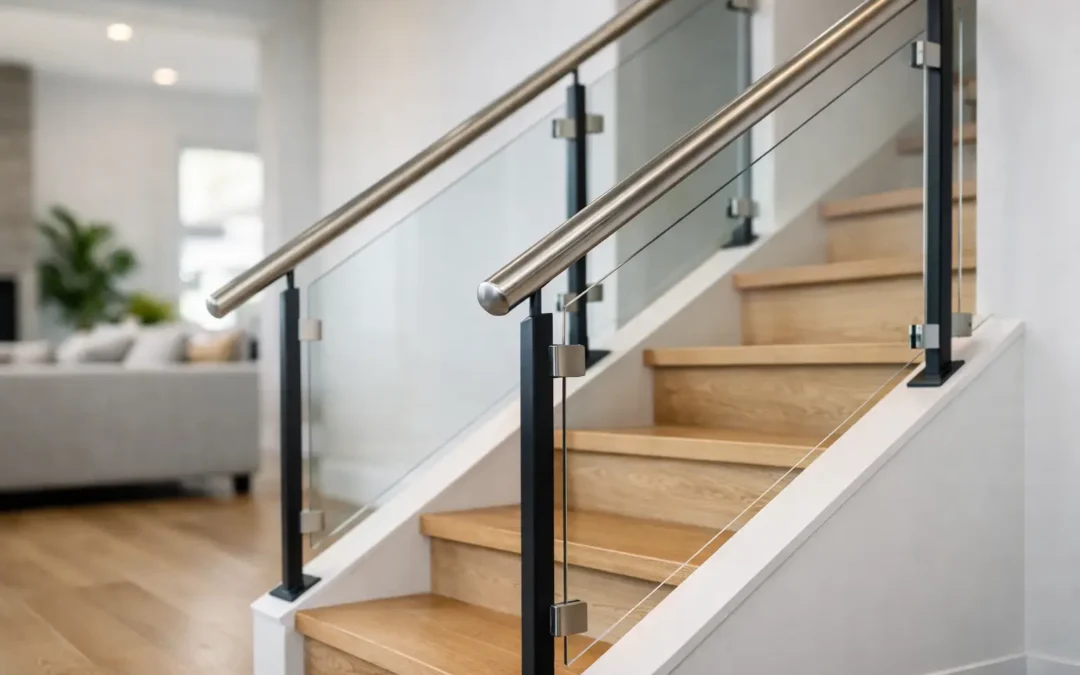
A stair guardrail is one of those details people notice right away, especially when it is done well. It shapes the first impression of an entryway, frames the lines of a staircase, and quietly carries a serious job every day – keeping people safe. When the design feels off, the whole space can feel unfinished. When it is thoughtfully designed and professionally built, the result looks intentional, clean, and built to last.
That is why many homeowners, builders, and property investors look for custom stair guardrail design services instead of trying to force a standard option into a non-standard space. Stairs vary. Floor openings vary. Interior styles vary. And code requirements do not leave much room for guesswork. A custom approach gives you better control over the look, the fit, and the finished result.
Why custom stair guardrail design services matter
Off-the-shelf railings can work in simple layouts, but many projects are not simple. Renovation work often comes with uneven conditions, older framing, and dimensions that do not line up with prefabricated systems. New builds may have a clear design vision that standard products cannot match. In both cases, custom work solves problems before they reach the installation stage.
The value is not just visual. Good design service also means the guardrail is developed around the real site conditions, the intended use of the space, and the material that best fits the project. A stair guardrail in a busy family home may need a different approach than one in a luxury rental property or a commercial setting. Some clients want open sightlines with glass. Others want the warmth and structure of metal. Some need a minimal modern profile. Others want stronger visual definition.
A custom process also helps avoid costly revisions. When measurements are taken carefully, drawings are reviewed, and engineering is handled where required, the project moves forward with far fewer surprises.
What separates a design service from just supplying railings
There is a big difference between buying railing components and hiring a team that handles design, fabrication, and installation from start to finish. True custom stair guardrail design services begin before anything is built. The process starts with understanding the staircase itself, the surrounding architecture, and the goals for the finished look.
That means on-site measurement matters. So does discussing how the space is used, what style direction makes sense, and which materials will perform best indoors or outdoors. From there, project-specific drawings allow everyone to see the plan before fabrication begins. This is where details get resolved – post placement, glass panel layout, handrail profiles, mounting methods, transitions, and finishes.
For many clients, that process is where confidence comes from. Instead of hoping the final product will look right, they can review the design, request adjustments, and approve the direction before production starts. When engineer review and stamped drawings are part of the workflow, that adds another layer of protection for projects that require it.
Choosing the right material for your staircase
Material selection is where design and performance meet. The right choice depends on the style you want, the maintenance you expect, and whether the rail system is indoors or exposed to the elements.
Glass guardrails are a strong choice for clients who want a clean, open look. They allow natural light to move through the space and make staircases feel larger. They pair especially well with modern interiors and contemporary exteriors. The trade-off is that glass needs regular cleaning to keep that crisp appearance, especially in high-touch areas.
Wrought iron and other metal railings bring more structure and visual presence. They can be sleek and minimal or more decorative, depending on the design. Metal is often chosen for its durability and design flexibility. It works well when the goal is to create contrast, define the staircase more strongly, or tie the railing into gates, fences, balconies, or other architectural metalwork.
Stainless steel and aluminum are also popular in modern projects because they offer clean lines and solid performance. For exterior stairs, material choice becomes even more important. Weather exposure, corrosion resistance, and long-term maintenance all need to be considered early, not after installation.
Design should fit the home, not fight it
One of the most common mistakes in stair projects is choosing a railing style in isolation. A guardrail may look great in a photo and still feel out of place in the actual home or building. Good design service takes the full environment into account.
That includes the flooring, wall finishes, stair treads, lighting, and the general character of the property. A frameless or low-profile glass railing can sharpen a modern renovation and keep attention on architectural lines. A black metal system can anchor a bright interior and add definition without feeling heavy. A mixed metal-and-glass solution can strike a balance between openness and structure.
Scale matters too. Thin profiles can look elegant in the right space, but they need to be balanced against performance and code requirements. Heavier sections may suit larger staircases or commercial properties better. There is rarely a single right answer. The best result comes from matching the design to the property instead of following a trend too closely.
The process that keeps projects on track
A professional process is not just a back-office detail. It directly affects the outcome. Stair railings involve safety, finish quality, and precise fit, so every phase matters.
The strongest projects usually follow a clear sequence. First comes the site visit and measurement. Then the design is translated into drawings. The client reviews the layout and details. Engineering review is completed when needed. After approvals, fabrication begins. Installation follows when the product is ready and the site is prepared.
That structure may sound straightforward, but it is what protects quality. If drawings are skipped, field conditions can be missed. If measurements are rushed, panels and posts may not align properly. If installation is treated as an afterthought, even a well-made railing can end up looking wrong. A dependable workflow reduces those risks and gives clients a much clearer sense of what to expect.
For homeowners, investors, and contractors, the details matter differently
Not every client is measuring success the same way. Homeowners often focus first on appearance and safety. They want the railing to elevate the space, feel solid every day, and look like it belongs with the rest of the home. For them, guidance is a major part of the service.
Property investors may be looking at durability, tenant appeal, and long-term value. A well-designed stair guardrail can make a property feel more updated and professionally finished, which matters whether the plan is to rent, refinance, or sell.
Contractors and commercial clients usually need another layer of certainty. They are managing timelines, trades, and compliance requirements. In those projects, design support, accurate drawings, and engineered review can save time and reduce friction across the build.
That is why full-service providers tend to add more value than fabrication alone. They help align design goals with build realities.
Custom stair guardrail design services should make the decision easier
A good service experience should remove uncertainty, not add to it. Clients should know who is measuring the site, how the design will be presented, when approvals happen, and what installation will involve. They should also have honest guidance on trade-offs. For example, the most minimal look is not always the best fit for a high-traffic family staircase. The boldest design is not always the right call in a smaller interior. And the lowest upfront price does not always lead to the best long-term result.
That is where experience shows. A team that works closely with clients can shape ideas into something practical, compliant, and visually strong. At Iron & Glass Designs, that means combining custom design, job-specific drawings, engineer-reviewed details, and professional installation into one controlled process.
The best stair guardrails do more than fill an opening. They sharpen the architecture, support daily use, and give the property a more finished identity. If you are planning a new build, renovation, or upgrade, the right design service should help you see the end result clearly before the first piece is ever fabricated. A staircase is too visible, and too important, to leave to guesswork.