
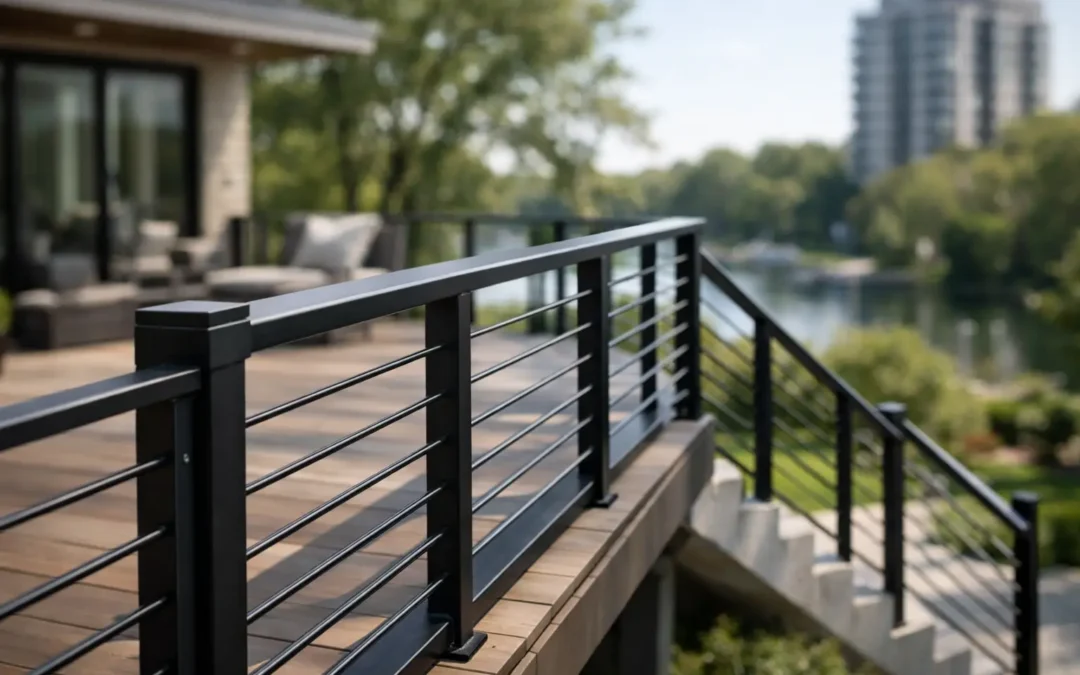
A railing is one of the first details people touch, lean on, and notice. That is why metal railings matter more than many property owners expect. They do more than finish a stair or balcony. They shape how a space feels, how safely it functions, and how well it holds up over time.
For homeowners, the right railing can turn an ordinary staircase into a clean architectural feature. For builders, investors, and commercial property owners, it can mean fewer compromises between appearance, durability, and code requirements. The best results come from treating the railing as part of the design from the start, not as an afterthought.
Why metal railings remain a smart choice
Metal railings continue to be a leading choice because they solve several problems at once. They offer strength, design flexibility, and a refined finish that works across modern, traditional, and transitional spaces. Whether the project involves an interior stair, an exterior landing, a balcony, or a poolside barrier, metal gives you more control over both performance and appearance.
Wood can be warm and familiar, but it requires more maintenance and can show wear quickly in high-traffic areas. Glass is elegant and open, yet it still depends on a strong supporting system. Metal often becomes the backbone of the entire assembly because it is stable, precise, and adaptable.
That does not mean every metal railing system is the same. Material selection, profile size, finish, and installation method all affect the final result. A thin black handrail creates a very different impression than a decorative wrought iron design. Stainless steel offers a sharper, more contemporary look than powder-coated aluminum. The right answer depends on the space, the level of exposure, and the style you want to achieve.
Choosing the right type of metal railings
The phrase metal railings covers a wide range of products, and each one serves a different purpose.
Aluminum railings
Aluminum is a popular option for exterior applications because it is lightweight, clean-looking, and resistant to corrosion. It works especially well for porches, decks, steps, and balconies where homeowners want a modern appearance without constant upkeep. Powder coating expands the design range further, with black remaining the most requested finish for a reason – it gives crisp contrast and fits almost any facade.
The trade-off is feel. Aluminum is practical and attractive, but it does not always carry the same visual weight as steel or wrought iron. If the goal is a more substantial architectural statement, another material may be a better fit.
Stainless steel railings
Stainless steel suits contemporary interiors and commercial properties where a sleek, engineered look is part of the brief. It pairs naturally with glass and minimalist detailing. In the right setting, it can make a stair or mezzanine feel lighter and more precise.
It also tends to reveal fingerprints and smudges more readily than darker finishes, especially in busy interior spaces. That is not a flaw, but it is worth considering if the railing will be touched constantly.
Wrought iron and steel railings
Steel and wrought iron bring strength and presence. They can be tailored for classic scrollwork, simple vertical pickets, or more modern custom profiles. For front entries, interior stairs, and statement balconies, these materials offer a level of craftsmanship that many property owners are looking for when they want the finished work to feel custom rather than off-the-shelf.
The key is proper fabrication and finishing. Exterior steel needs the right protective system to perform well over time. A beautiful design is only as good as the process behind it.
Design matters as much as material
A railing should feel integrated with the property, not added on at the last minute. Good design starts with proportion. The spacing of pickets, the thickness of posts, the way a handrail returns into a wall, and the relationship between metal and glass all influence the final look.
In a modern home, cleaner lines usually do more. Slim profiles, consistent geometry, and carefully considered transitions create a polished result. In a more traditional property, decorative details can add character, but they need restraint. Too much ornament can make the railing feel dated faster than the rest of the architecture.
This is where customization pays off. Standard products can work for straightforward conditions, but custom fabrication gives you control over dimensions, alignment, finish, and visual balance. That becomes especially important in renovation work, where existing stairs, landings, and floor conditions are rarely perfectly uniform.
Interior and exterior projects have different demands
One of the biggest mistakes in railing selection is assuming the same logic applies everywhere. Interior and exterior systems may look similar, but they perform under different conditions.
Inside the home, the focus is usually on appearance, comfort, and daily usability. The railing needs to feel solid in the hand, align neatly with the architecture, and contribute to the room rather than interrupt it. On open-riser stairs, lofts, and glass-accented interiors, metal often provides the structure that keeps the design looking light without sacrificing safety.
Outside, weather changes everything. Moisture, temperature swings, sun exposure, and freeze-thaw cycles affect how materials age. Fasteners, coatings, and anchoring details matter just as much as the visible finish. A well-designed exterior railing should look sharp on day one and still perform years later without constant repair.
Code compliance is not the part to guess on
A railing can look perfect and still be wrong for the application. Height requirements, graspability, spacing, load performance, and guard conditions all need to be addressed correctly. This matters even more on elevated surfaces, commercial properties, and projects tied to permits or inspections.
That is why a professional process matters. Accurate site measurement, project-specific drawings, client approval, and engineering review help prevent problems before fabrication starts. It is far easier to resolve design questions on paper than after metal has been cut and finished.
For many clients, this is the real value of working with a full-service team. You are not just buying a product. You are buying coordination, accountability, and the confidence that the finished installation will meet both design intent and practical requirements.
The installation is where quality becomes visible
Even the best fabricated railing can underperform if installation is rushed or imprecise. Uneven alignment, weak anchoring, visible gaps, and poor transitions stand out immediately. A railing is a highly visible finish element. People notice when it is done right, and they definitely notice when it is not.
Professional installation protects more than aesthetics. It affects long-term stability, user safety, and the lifespan of the system. On glass-and-metal railings in particular, precision is non-negotiable. Small errors in layout can become very obvious once everything is in place.
This is why dependable delivery matters so much. A controlled workflow from measurement to final installation keeps the project moving and reduces surprises. For property owners already managing renovations, timelines, or tenant turnover, that predictability is a major advantage.
What to expect when planning a custom railing project
The most successful projects begin with a clear conversation about use, style, and constraints. Are you prioritizing an open view from a balcony? Do you want the stair to feel more architectural? Is low maintenance the main goal? Are there permit or engineering requirements to address? Those answers shape the design before material is ever ordered.
From there, site measurements and drawings turn ideas into something buildable. This stage is not just technical paperwork. It is where details get refined, dimensions get confirmed, and potential issues get solved early. Once approvals are in place, fabrication and installation can proceed with much more confidence.
At Iron & Glass Designs, that structured approach is a major part of the value. Clients are guided from concept through production and final installation, with the level of professionalism that custom work demands.
Metal railings as a long-term investment
A well-executed railing project adds more than immediate curb appeal. It improves how a property functions and how confidently people move through it. On residential projects, that may mean making a front entry feel finished, updating an outdated stair, or adding a safer balcony enclosure. On commercial properties, it often means presenting a cleaner image while meeting practical safety expectations.
The best railing systems do not call attention to problems. They feel stable, look intentional, and continue to suit the property as tastes evolve. That is why quality materials, careful design, and disciplined installation are worth prioritizing from the beginning.
If you are planning a stair, balcony, landing, or exterior upgrade, take the railing seriously. It is one of the few features that people notice visually and experience physically every single day. When it is designed well and built properly, the result is simple – your space feels safer, sharper, and more complete.