
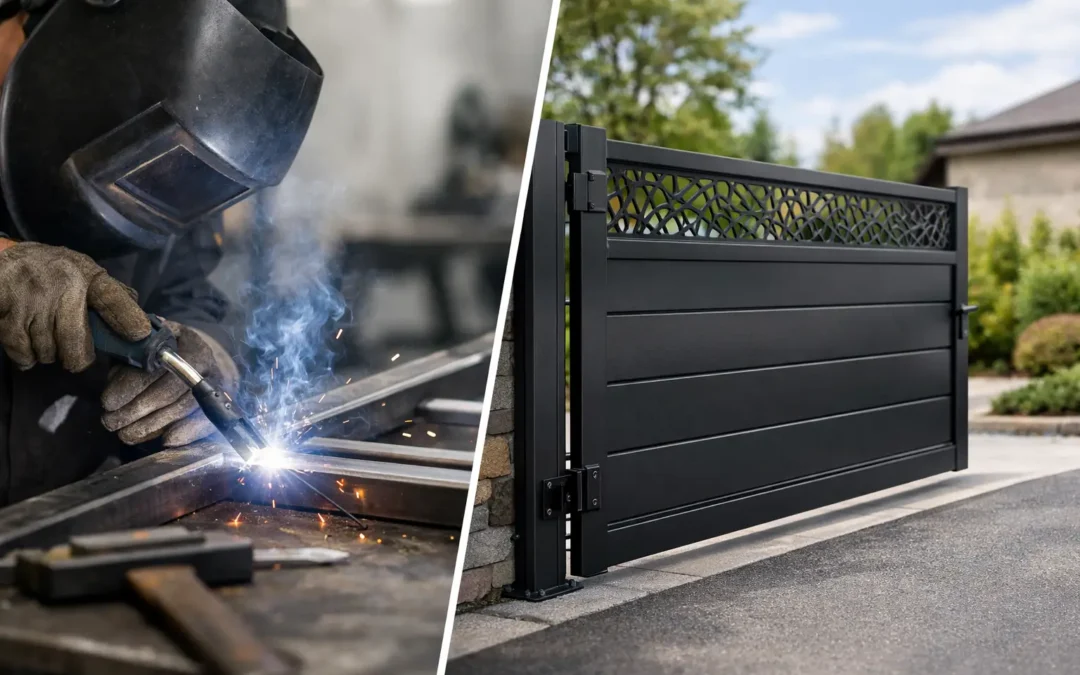
A gate is one of the few exterior features that has to do everything at once. It needs to secure the property, hold up to weather, complement the architecture, and operate smoothly day after day. When any one of those pieces is treated as an afterthought, the result usually shows up fast – sagging, rust, poor alignment, or a design that never quite fits the space.
That is why a true custom build matters. A well-made gate is not just sized to an opening. It is designed around the property, the way the gate will be used, and the finish standard the owner expects to see every time they pull into the driveway or walk up to the entry.
A practical guide to custom gate fabrication
If you are planning a new gate for a home, multi-unit property, or commercial site, the smartest place to start is with the full process, not just the final look. Good fabrication begins long before metal is cut.
Custom gate work usually starts with a site visit and precise measurement. This sounds basic, but it shapes everything that follows. Grade changes, post conditions, surrounding walls, clearance needs, and latch or automation requirements all affect the final design. A gate that looks excellent on paper can become a problem in the field if those details are missed early.
From there, the design phase turns ideas into something buildable. This is where style, dimensions, infill choices, privacy level, and hardware are coordinated into job-specific drawings. For many projects, this step is where clients feel the most value, because it removes guesswork. Instead of trying to imagine the result, they can review a defined concept before fabrication begins.
What custom gate fabrication really includes
Many property owners picture fabrication as the shop portion only – welding, grinding, assembly, and paint. In reality, fabrication is the middle of a larger workflow that should include design review, engineering when needed, production, and final installation.
That broader process matters because gates are functional architectural elements. Weight distribution, hinge placement, frame rigidity, anchoring, and code-related considerations can all affect performance. On some projects, especially where gates are integrated into larger railing, fence, or entry systems, engineer review and stamped drawings add another level of confidence and compliance.
For homeowners, that means fewer surprises. For builders and property investors, it means a more dependable path from quote to install.
The design decisions that shape the final result
The most successful gates balance appearance with daily use. A sleek horizontal design may suit a modern home beautifully, but if privacy is a priority, spacing and infill need to be handled carefully. A decorative wrought iron style can add character and curb appeal, but the design still has to account for visibility, safety, and maintenance expectations.
Material selection is equally important. Steel offers strength and design flexibility, which makes it a strong option for custom ornamental and security-focused gates. Aluminum is often attractive for clients who want a lighter gate with strong corrosion resistance. Stainless steel can work well in more contemporary applications where a clean, premium finish is a priority. In some projects, glass may also be integrated nearby to maintain visual openness across a full exterior design scheme.
There is no single best material for every gate. It depends on the scale of the gate, the climate exposure, the desired look, and the level of upkeep the owner is comfortable with over time.
Swing gate or sliding gate?
This is one of the earliest practical choices, and it affects both fabrication and installation.
Swing gates are common for residential applications and can offer a classic, balanced look. They do, however, require clearance to open fully and depend heavily on proper hinge support and post stability. On sloped driveways or tighter layouts, a swing gate may create more constraints than expected.
Sliding gates solve some of those access issues and are often a strong fit where space is limited or where a wider opening is needed. They can also pair well with automation. The trade-off is that they require the right track or cantilever system, along with careful attention to alignment and support.
The right choice comes down to site conditions, traffic patterns, and how the gate will actually be used every day.
Why engineering and drawings matter more than most people expect
Custom work should feel tailored, not improvised. That is where drawings and engineering review become essential.
A professional drawing package gives the client a clear picture of proportions, layout, and details before fabrication starts. It also creates alignment between the design team, fabricators, installers, and property owner. Without that step, small assumptions can turn into expensive revisions later.
Engineering matters for a different reason. It confirms that the gate system is not only attractive but properly conceived for structural performance and project requirements. Depending on the property type and scope, that can support permitting, improve coordination with contractors, and reduce installation risk.
For clients investing in premium exterior upgrades, this is part of what separates a dependable fabrication partner from a shop that only promises a nice finish.
The fabrication stage
Once measurements, drawings, approvals, and engineering needs are addressed, the fabrication itself can move forward with purpose. This is where craftsmanship becomes visible.
Quality fabrication is not just about welding metal together. It is about producing a gate that is square, balanced, cleanly finished, and built for long-term use. Frame construction has to account for weight and movement. Welds should support strength without compromising appearance. Hardware locations need to be precise. Finishing work has to protect the material and elevate the final presentation.
Attention to detail here affects everything later. A beautifully designed gate can still disappoint if the fabrication lacks discipline. Smooth operation, crisp lines, and a refined finish all come from careful shop standards.
Installation is part of the product
A custom gate is only as good as its installation. This is where many projects succeed or fail.
Even a properly fabricated gate can perform poorly if posts are out of plumb, anchors are rushed, or hardware is not adjusted correctly. Installation should account for the surrounding structure, final clearances, and long-term operation. If the gate includes automation or specialty hardware, coordination becomes even more important.
For that reason, property owners benefit from working with a team that handles the project from measurement through final install. It keeps accountability clear and helps preserve the design intent all the way to completion.
How to choose the right fabrication partner
If you are comparing providers, look beyond photos alone. A strong portfolio matters, but so does process.
Ask how measurements are handled, whether job-specific drawings are included, and when engineer review is recommended. Ask who is responsible for fabrication and installation, and how approvals are managed before production begins. A professional workflow signals that the company is not guessing its way through custom work.
This is especially important for homeowners who want the design to feel elevated and for contractors who need coordination, predictability, and code-aware execution. At Iron & Glass Designs, that full-service approach is central to how custom metalwork is delivered – from free site measurement to drawings, approvals, production, and on-time installation.
Budget, value, and where custom fabrication pays off
Custom gates cost more than off-the-shelf options, but they solve a different problem. They are built for exact dimensions, specific site conditions, and a finished look that belongs with the property.
The value is not just in appearance. It is in better fit, stronger performance, cleaner integration with surrounding railings or fencing, and fewer compromises during installation. In many cases, a lower upfront price on a stock product can lead to more modification, more labor, and a less polished result.
That said, custom does not mean unlimited. Budget still shapes material choice, level of ornamentation, finish selection, and hardware options. A good fabrication partner will guide those choices clearly so clients can prioritize what matters most without losing the integrity of the project.
Common mistakes to avoid
The biggest mistake is choosing a gate based only on a style photo. Photos are useful for inspiration, but they do not show structural demands, grade issues, usage patterns, or installation conditions.
Another common issue is underestimating hardware and support requirements. Larger or heavier gates need the right frame design, hinge strategy, and anchoring system. Trying to simplify those elements to save money often leads to premature wear or operational problems.
Finally, many clients wait too long to consider the gate in relation to the rest of the property. A gate should not feel isolated from the fencing, railings, stairs, or facade. When it is designed as part of the broader architecture, the result feels intentional and adds far more visual value.
A custom gate should feel like it was always meant to be there – built for the space, built to last, and finished with the kind of precision you notice every time it opens.