
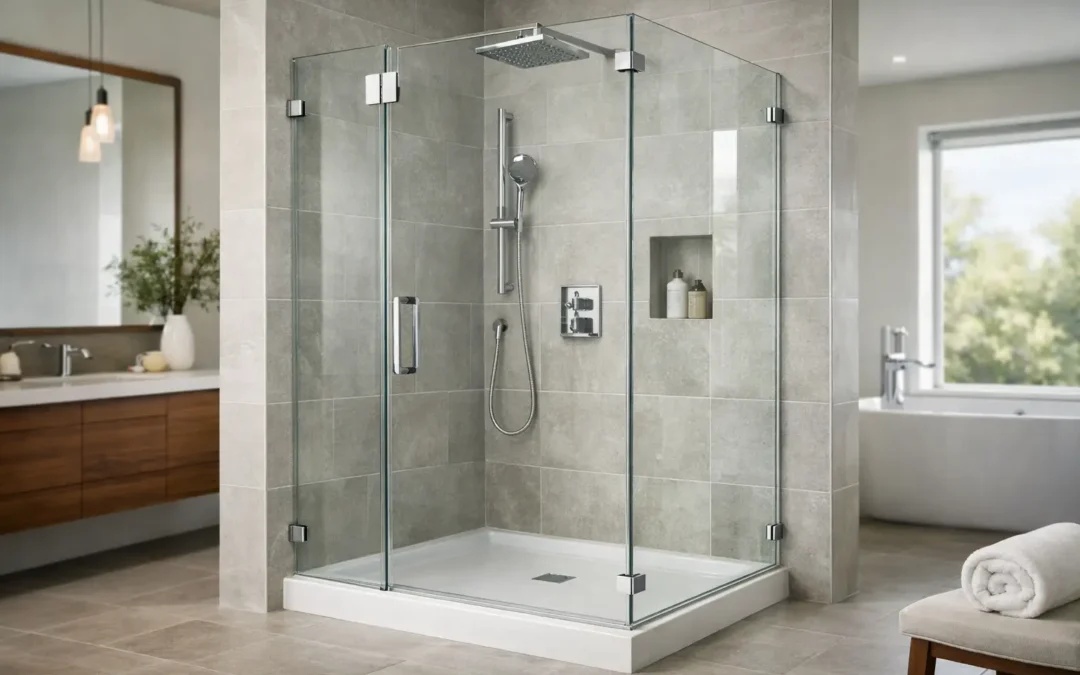
A shower enclosure can look clean and modern on day one and still become a headache two years later if the glass, hardware, and installation were chosen for appearance alone. In bathrooms, durability is not a single feature. It comes from the way the glass is tempered, the thickness that matches the layout, the quality of hinges and clips, and the precision of the install.
For homeowners investing in a bathroom upgrade, that matters. A shower enclosure is one of those details you use every day, see every day, and notice immediately when something feels loose, leaks at the curb, or starts collecting wear around the edges. If you are comparing the best glass shower enclosures for durability, the right answer depends less on trend and more on how the enclosure is built and how your bathroom is used.
What makes a glass shower enclosure durable?
Durability starts with tempered safety glass. This is the standard for quality shower enclosures because it is engineered for impact resistance and heat changes that are normal in a bathroom environment. But tempered glass alone does not tell the whole story. The enclosure also has to be supported by hardware that can handle repeated use, moisture exposure, and the movement of doors opening and closing day after day.
Glass thickness is another major factor. In many projects, thicker glass creates a more solid feel and reduces flex, especially in frameless designs. That said, thicker is not always better in every layout. A large swinging door may need a careful balance between glass weight and hinge performance. The most durable result comes from matching the glass specification to the opening, not just choosing the heaviest panel available.
Then there is the installation. Even high-quality materials can underperform if walls are out of plumb, measurements are rushed, or the enclosure is forced into a space it was not properly designed for. Precision matters because stress points, uneven gaps, and poor alignment shorten the life of the whole system.
Best glass shower enclosures for durability by type
Not every enclosure style performs the same way over time. The best option depends on how much structure you want, how large the opening is, and how much daily wear the enclosure will see.
Frameless shower enclosures
Frameless enclosures are often the top choice for modern bathrooms, and when they are designed and installed correctly, they are one of the best glass shower enclosures for durability. They use thicker tempered glass and rely on premium hinges, clips, and support hardware rather than bulky metal framing.
The appeal is obvious. Frameless glass is easier on the eyes, easier to clean, and better at showcasing tile work and overall bathroom design. There are fewer metal channels to trap moisture or show corrosion over time. For homeowners who want a polished, upscale finish, frameless is hard to beat.
The trade-off is that quality matters more here than in almost any other style. Because the structure is more minimal, the glass fabrication, hardware selection, and installation tolerance all need to be exact. A poorly executed frameless enclosure will show problems faster than a framed one. A well-built one, on the other hand, delivers both durability and a high-end look.
Semi-frameless shower enclosures
Semi-frameless enclosures sit in a useful middle ground. They typically combine framed structural sections with cleaner glass sightlines around the door or fixed panels. For many homeowners, this is a smart durability choice because the design gets added support without looking heavy or dated.
This style can be especially practical in family bathrooms or investment properties where the enclosure needs to stand up to regular use while still presenting a modern finish. Semi-frameless systems often give you more forgiveness in certain layouts and can be a cost-effective way to add strength where needed.
If your priority is balancing appearance, performance, and budget, semi-frameless deserves serious consideration.
Framed shower enclosures
Framed enclosures are not always the first choice in contemporary bathroom design, but they still have a place when pure durability and structure are the top concern. The full frame supports the glass on all sides, which can reduce stress on individual panels and hardware.
In practical terms, framed systems can perform well in high-use bathrooms and may be a sensible choice where budget is tighter or where the layout does not favor a heavier frameless door. The visual trade-off is a more traditional appearance and more metal components that can collect grime or show wear if lower-grade finishes are used.
For some projects, framed is the strongest fit. For others, it feels like too much compromise on design. It depends on your priorities.
The materials that matter most
When clients ask what holds up best over time, the conversation usually comes back to three things: glass, hardware, and finish quality.
Low-quality hardware is often the weak point in an enclosure that otherwise looks good. Hinges, handles, brackets, and fasteners should be selected for wet environments and frequent use. Solid brass or stainless steel components are generally preferred because they resist corrosion better than cheaper plated alternatives. If a door is heavy and the hinges are undersized, you may not notice the problem at install, but you will notice it later.
The finish matters too. Matte black, brushed nickel, chrome, and other finishes can all work well, but durability depends on the manufacturing quality, not just the color. A premium finish will hold its appearance much longer in a moisture-heavy bathroom.
Glass coatings can also help. Protective treatments reduce water spotting, soap film buildup, and mineral residue. They do not eliminate maintenance, but they can make the enclosure easier to keep looking new. That is part of durability too. A shower that is difficult to maintain often starts to feel old before it actually fails.
Sliding vs. hinged doors
Door style affects long-term performance more than many homeowners expect. Hinged doors have fewer moving parts than many sliding systems and can feel more substantial when paired with quality hardware. They are often a strong choice for larger bathrooms where swing clearance is not an issue.
Sliding doors make sense where space is limited, and they can be highly durable when the rollers, tracks, and guides are well made. The catch is that more moving parts create more maintenance points. In a lower-quality system, that can mean wear shows up sooner.
If durability is the priority and your layout allows it, a fixed panel with a hinged door is often one of the strongest configurations. If your bathroom is tighter, a well-built sliding enclosure may still be the right answer. The better choice is the one that fits the room properly and is engineered for the way it will be used.
Why custom fit usually lasts longer
Standard-size enclosures can work in some bathrooms, but custom fabrication tends to produce a better long-term result, especially in homes where walls, floors, and tile lines are not perfectly uniform. Custom glass allows the enclosure to be built to the actual opening rather than forcing the opening to accept a close-enough product.
That leads to tighter alignment, cleaner door operation, and fewer stress points. It also gives you more control over details like panel size, door swing, hardware placement, and water containment. Those details may seem small during planning, but they make a real difference over years of use.
This is where a professional process matters. Site measurement, project-specific drawings, approval before fabrication, and a disciplined installation plan reduce avoidable errors. For clients who want both design confidence and dependable performance, working with a company like Iron & Glass Designs can make the process feel much more controlled from start to finish.
How to choose the right enclosure for your bathroom
The best choice usually comes down to how your bathroom functions. In a primary bath where appearance and long-term value are both priorities, a custom frameless enclosure with quality hardware is often the strongest investment. In a guest bath or rental property, a semi-frameless option may provide better value while still holding up well.
Think about who uses the shower, how often it is used, and how much maintenance you realistically want. A beautiful enclosure should not just photograph well. It should open smoothly, stay aligned, resist daily wear, and continue looking sharp after years of steam, water, and cleaning.
If you are comparing options, ask better questions than just price. Ask what thickness of tempered glass is being used, what grade of hardware is included, how the enclosure will be measured, and whether the layout has been reviewed for long-term door performance. Those are the details that separate a quick bathroom upgrade from a durable finished product.
The right shower enclosure should feel solid every time you reach for the handle. When the materials are right and the installation is done with care, that confidence lasts much longer than the first impression.